
Spinal Cord Stimulation Explained in Simple Terms
Spinal cord stimulation (SCS) is a minimally invasive medical procedure that sends low levels of electricity directly to the spinal cord, reducing chronic pain that has not responded to other treatments. SCS is typically considered after pain medications, physical therapy, and injections have fallen short. Over 100,000 people have found pain relief from SCS therapy, making it one of the most established neuromodulation tools in pain management.
At Alleviate Institute of Spine and Pain in Los Angeles, we use spinal cord stimulation systems for patients suffering from painful diabetic neuropathy, sciatica-type back and leg pain, neck pain with radiation down the arm, and complex regional pain syndrome. Many patients experience 50% or more pain relief after a successful trial, and SCS therapy is FDA-approved for chronic pain management.
Here is what a successful SCS outcome often looks like in daily life:
-
Less pain intensity during walking, sitting, and sleeping
-
Improved ability to work, care for family, and participate in hobbies
-
Reduced reliance on opioid and other pain medications
-
Better sleep quality and mood
What Is a Spinal Cord Stimulator?
A spinal cord stimulator is often described as a pacemaker for pain. It is a small, implanted device that delivers mild electrical impulses to nerves along the spinal cord, changing how your brain processes pain signals. SCS is implanted under the skin with leads near the spinal cord. The system does not repair damaged discs, nerves, or vertebrae; instead, it modifies nerve activity through neuromodulation so you feel pain less intensely or not at all.
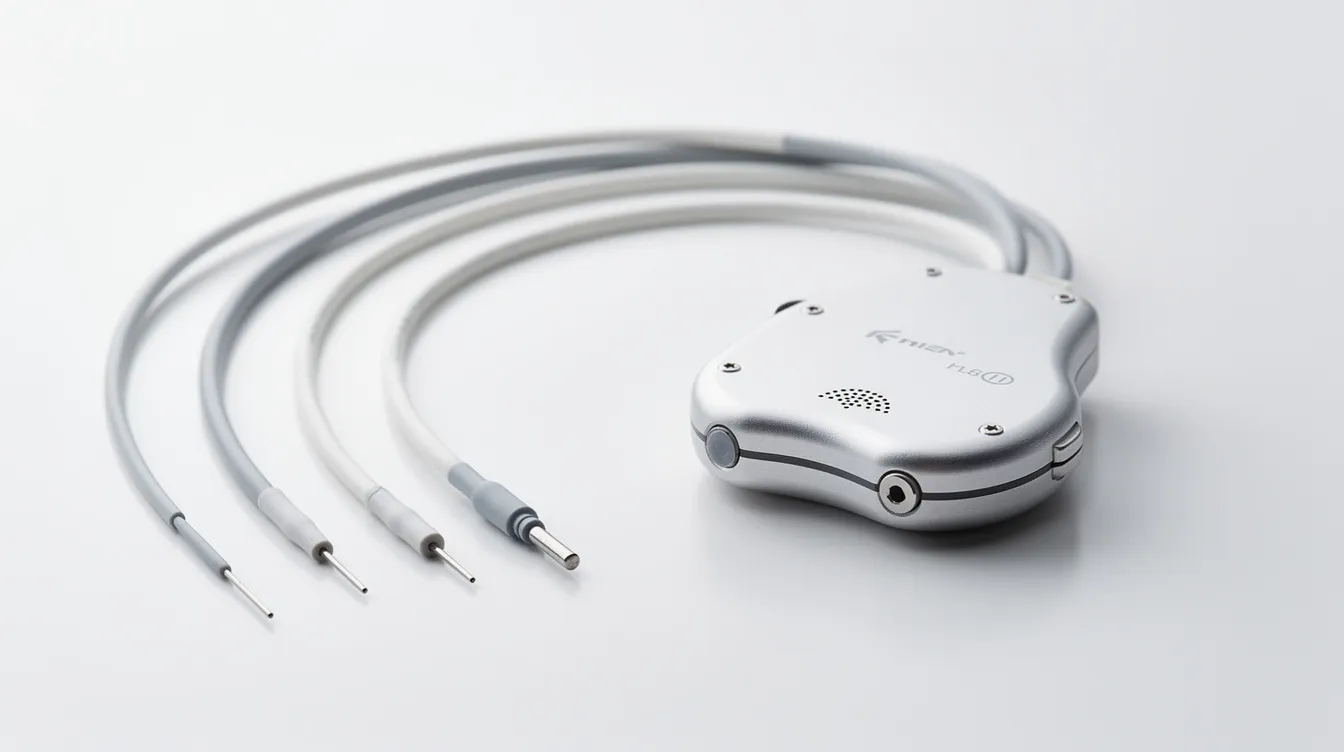
Spinal cord stimulators are classified by power source and energy delivery. The core components include:
-
Thin wires (leads): Placed in the epidural space near the spinal cord to deliver electrical pulses to targeted nerve fibers.
-
Pulse generator (battery): A small medical device placed under the skin, usually in the flank, buttock, or lower abdomen. This is the power source for the system.
-
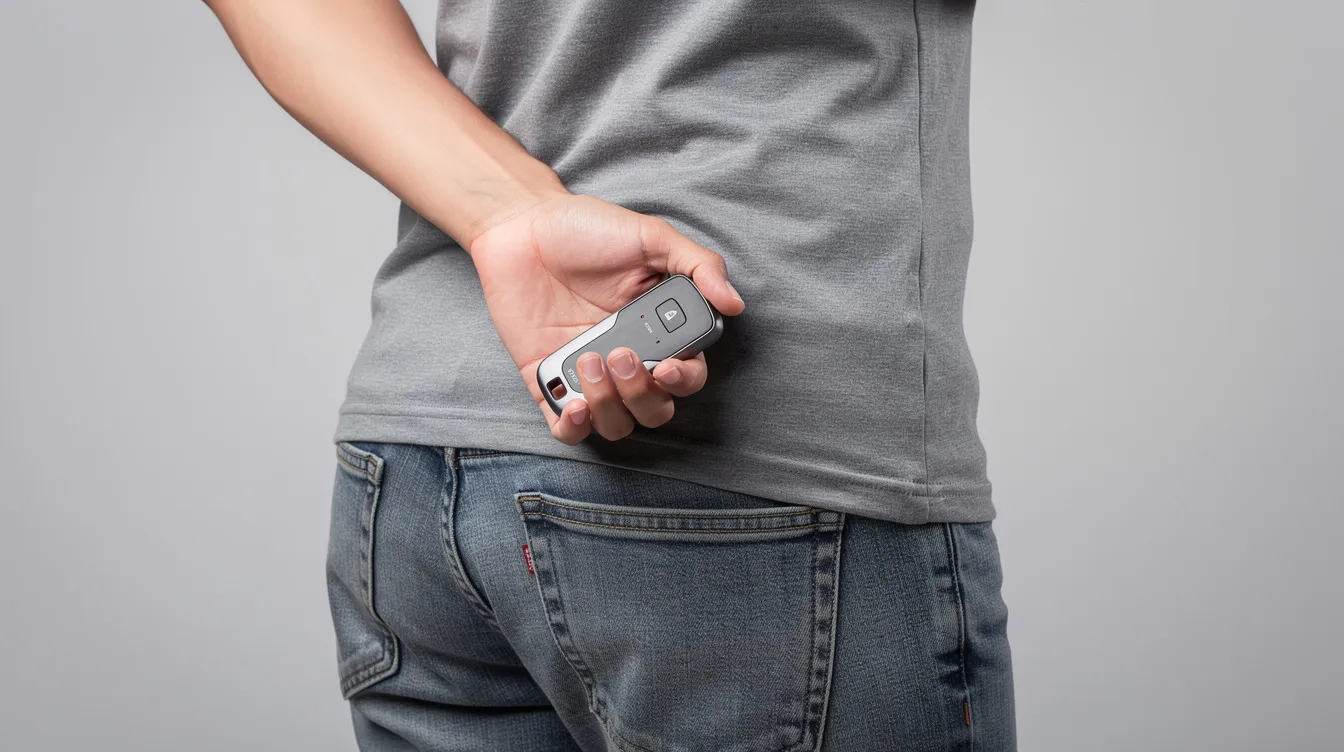
Handheld remote control: A handheld controller allows users to adjust stimulation levels, switch programs, and turn the device on or off.
-
Programming software: Used by the pain physician to fine-tune settings such as pulse width, pulse amplitude, and frequency for each patient.
Modern spinal cord stimulator systems offer multiple stimulation modes, including traditional paresthesia-based stimulation, burst stimulation, and high frequency settings that produce pain relief without a tingling sensation.
How Spinal Cord Stimulation Works in the Body
Nerves carry pain signals from your body up the spinal cord to the brain. When tissue is damaged or nerves are irritated, those signals travel constantly, causing you to feel pain even at rest. Spinal cord stimulation interrupts many of those signals before they reach the brain.
The Gate Control Theory explains how spinal cord stimulation alleviates pain. By delivering electrical stimulation to large, non-pain-carrying nerve fibers (called Aβ fibers), SCS “closes the gate” on smaller pain-carrying fibers (C fibers). The result: fewer pain messages arrive at the brain, and pain intensity drops.
What does cord stimulation actually feel like? That depends on the mode:
-
What you feel: Traditional spinal cord stimulation creates a gentle tingling sensation called paresthesia in the painful areas. Newer high frequency and burst modes often produce pain relief with no tingling at all.
-
What your nerves experience: Electrical impulses block or reduce the volume of pain signals traveling up the spinal cord. The exact mechanisms underlying newer waveforms are still being studied, but clinical results show clear reductions in pain scores.
-
What changes in daily life: Many patients report being able to walk further, sleep through the night, and reduce or stop certain pain medications within weeks of activation.
Patients can adjust their stimulation level throughout the day and often have different programs for sitting, walking, and sleeping.
Who Might Benefit from Spinal Cord Stimulation?
Certain chronic pain conditions are specifically treated with spinal cord stimulation. Candidates typically have chronic pain for several months, and candidates often have not responded to conservative treatments such as oral medications, physical therapy, and injection-based procedures.
SCS is not a first-line therapy. It is an advanced option reserved for patients whose pain persists despite a structured course of less invasive therapies. Between 50 and 80% of patients report long-term pain relief from SCS, depending on the condition and stimulation type.
The conditions that respond best include:
-
Chronic low back pain with sciatica (leg pain): Whether before or after lumbar spine surgery, when nerve pain remains disabling.
-
Neck pain with radiation down the arm: Persistent cervical radiculopathy that has not resolved with surgery or injections.
-
Painful diabetic neuropathy: Burning, tingling, or numbness in the feet and legs that gabapentin, pregabalin, or duloxetine cannot adequately control.
-
Complex regional pain syndrome (CRPS): Severe burning pain, swelling, color changes, and touch sensitivity in an arm or leg after nerve injury, fracture, or surgery.
SCS can reduce pain by at least 50% in many patients. It may also reduce dependence on long-term opioid pain medications, though it does not replace them entirely for every patient.
Conditions We Commonly Treat with SCS at Alleviate Institute
Alleviate Institute of Spine and Pain specializes in interventional pain management for chronic spinal pain and neuropathic pain conditions. We use spinal cord stimulation as part of a broader approach that also includes epidural steroid injections, facet injections, rhizotomies, Intracept, platelet rich plasma (PRP), and stem cell injections.
Chronic pain problems where we frequently recommend SCS:
-
Failed back surgery syndrome: Persistent back and leg pain after lumbar surgery when no clear new surgical target exists.
-
Ongoing sciatica without prior surgery: When injections and pain medications fail to relieve pain from nerve compression or irritation.
-
Persistent neck and arm pain after discectomy or fusion: Cervical radiculopathy that continues despite surgical intervention.
-
Painful diabetic neuropathy in the feet and legs: Burning or numbness not controlled by medications alone.
-
CRPS with burning pain, color changes, swelling, or extreme sensitivity to touch: When physical medicine, sympathetic blocks, and medications have not been enough.
When to Consider Spinal Cord Stimulation: Stepwise Treatment Path
Pain management follows a logical sequence. Most patients begin with conservative steps, and SCS enters the picture only after those steps have been tried.
Step 1: Conservative care. Rest, activity modification, physical therapy, and oral pain medications (anti-inflammatories, gabapentinoids, muscle relaxants) form the first line. Physical medicine and rehabilitation programs target strengthening and mobility.
Step 2: Interventional procedures. If conservative care does not manage pain adequately, targeted procedures come next. These include epidural steroid injections for painful inflammation along nerve roots, facet joint injections, medial branch blocks, rhizotomies, and procedures like MILD or kyphoplasty for specific spinal conditions.
Step 3: Surgical treatment. Discectomy, laminectomy, or fusion may be appropriate for structural problems like disc herniation or spinal stenosis. Neurological surgery addresses acute pain from cord compression or instability.
Step 4: SCS becomes appropriate when:
-
Pain remains severe for more than 6 to 12 months
-
Multiple injections or procedures gave only temporary or partial relief
-
Surgery either did not help, is not an option, or is unlikely to help further
-
The patient wants a reversible, advanced therapy before considering more invasive options
SCS is an advanced, but reversible, step when conservative and even surgical options have not provided enough relief.
Types of Spinal Cord Stimulation: Conventional, Burst, and High Frequency
SCS devices are not one-size-fits-all. The pain specialist selects the stimulation mode based on the patient’s pain pattern, location, and preferences.
-
Conventional (tonic) stimulation: The oldest and most widely studied mode. It delivers continuous low-frequency electrical pulses that produce a gentle tingling sensation in the painful areas. Conventional stimulation creates a tingling sensation called paresthesia, which masks pain. This approach has been used for decades.
-
Burst stimulation: Delivers pulses in groups, enhancing pain relief. Each “burst” is a cluster of rapid stimuli followed by a pause. Burst stimulation may reduce pain with less or no tingling and appears to affect both the sensory and emotional components of chronic pain.
-
High frequency stimulation (HF-SCS): Operates at frequencies above 1,000 Hz, often at 10,000 Hz (10 kHz). This mode provides pain relief without any tingling and has shown strong results in both low back pain and painful diabetic neuropathy. In the SENZA-PDN trial, 60% of patients achieved 50% or more pain relief after 2 years with HF10 therapy.
-
Dorsal root ganglion (DRG) stimulation: Targets specific nerve roots for pain relief rather than the dorsal columns of the spinal cord. This approach is used for focal pain in a single limb, such as CRPS in the foot or knee.
Modern spinal cord stimulation systems can switch between these modes, allowing the pain physician to tailor cord stimulation settings over time.
Spinal Cord Stimulator Trial: “Test Drive” Before a Permanent Implant
Every patient starts with a temporary trial stimulation before any permanent device is placed. The spinal cord stimulator trial typically lasts 3 to 7 days and serves as a “test drive” for SCS therapy.
Here is what the trial process looks like:
-
Arrival and preparation: You arrive at the clinic or procedure center. The procedure is done under local anesthesia with light sedation. No general anesthesia is needed.
-
Lead placement: The pain specialist inserts thin wires (percutaneous leads) through a needle into the epidural space, guided by fluoroscopy (live X-ray). The leads are positioned near the spinal cord segments that correspond to your painful areas.
-
External generator: No surgical pocket is created during the trial. The pulse generator stays outside the body, connected to the implanted leads by thin wires exiting the skin. You wear this external generator on a belt or clip.
-
Going home: You go home the same day with instructions on how to use the remote control to adjust stimulation, keep a pain diary, and note changes in sleep and activity.
A successful trial requires at least 50% pain reduction, along with improved sleep or activity and decreased need for pain medications. In published studies, 90% of SCS trial participants reported successful experiences.
If the trial does not help, the leads are removed in the office. No permanent implant is placed, and no lasting changes are made.
Permanent Spinal Cord Stimulator Implantation
Patients with a successful trial move forward to a permanent spinal cord stimulator implant. This spinal cord stimulator surgery is less invasive than open spine surgery but still requires standard surgical precautions.
The procedure basics:
-
Setting: Performed in an operating room or surgical center under sedation or general anesthesia.
-
Permanent leads: Anchored in the epidural space in the same spinal region where the trial leads provided relief. The physician may use percutaneous leads or paddle leads, depending on the clinical situation. Paddle leads require a small laminectomy but have lower lead migration rates.
-
Pulse generator pocket: A small incision is made to place the permanent spinal cord stimulator (battery) under the skin of the buttock, lower back, or abdomen.
-
Closure and testing: The system is tested intraoperatively to confirm adequate coverage of painful areas before the incisions are closed.
Most patients go home the same day after surgery. Some patients with additional surgery needs or medical conditions like diabetes may stay for a short observation period.
Preparing for Spinal Cord Stimulator Surgery
Preparation directly affects how smoothly the procedure goes. Here is what to do before your surgery date:
-
Medication review: Review all medications with the pain specialist at least 1 to 2 weeks before surgery. Blood thinners, diabetes medications, and anti-inflammatory drugs may need adjustment.
-
Fasting instructions: No food or drink after midnight before surgery, or at least 6 hours before, per anesthesia guidelines.
-
Arrange help: Have a responsible adult available to drive you home and stay with you the first night.
Bring to your appointment:
-
A list of all medications and allergies
-
Prior imaging studies (MRI, CT scans) if available
-
Questions you want to discuss before the procedure
At Alleviate Institute, we may require pre-operative lab work, cardiac clearance, or a physical exam for patients with diabetes, heart disease, or other medical conditions. Your care team will walk you through every requirement before your surgery date.
What to Expect Right After SCS Surgery
The immediate recovery period is straightforward for most patients.
-
In the recovery area: You wake up with mild to moderate discomfort at the incision sites. Mild to moderate discomfort is common after surgery and is managed with short-term prescribed pain medications. Monitoring lasts 1 to 3 hours after anesthesia.
-
Wound care: Keep the incision area clean and dry. No soaking in baths or pools until cleared by your physician. Follow bandage and dressing instructions for about 7 to 14 days.
-
Short-term medications: Use prescribed pain medications only as needed. Acute pain from the incisions is temporary and distinct from your chronic pain condition.
A device manufacturer representative or clinic staff will begin basic programming and teach you and your family how to use the handheld remote before or soon after discharge. You will know how to turn the device on and off, change programs, and adjust the stimulation level before you leave.
Recovery, Activity, and Follow-Up After SCS Implant
Recovery from permanent implantation follows a predictable timeline. Light activity is recommended for the first one to two weeks.
Week 1:
-
Avoid bending, twisting, heavy lifting, or raising arms above shoulder level to reduce lead movement risk
-
Walk short distances as tolerated
-
Take prescribed medications as directed
Weeks 2 to 4:
-
Incisions typically heal within two to four weeks
-
Initial post-op visit around 10 to 14 days to check incisions, remove staples or stitches, and review device function
-
Patients may resume driving within one to two weeks, once pain is controlled and they are cleared by their physician
Months 1 to 3:
-
Subsequent visits in the next 4 to 8 weeks for additional programming and fine-tuning cord stimulation settings
-
Gradual return to normal daily activities, exercise, and work
-
Integration of SCS therapy with physical therapy, weight management, or other treatments for best results
Long-term follow-up matters. Periodic appointments allow for battery checks, programming adjustments, and monitoring for any device-related issues. In a global registry of over 1,200 permanent implants, the cumulative all-cause explant rate was about 7.6% at three years, and only 1.1% per year were removed due to inadequate pain relief.

Benefits of Spinal Cord Stimulation for Chronic Pain
SCS therapy is designed to relieve pain, restore function, and improve quality of life. Here are the primary goals and what clinical data shows:
-
Pain reduction: SCS can reduce pain by at least 50% in many patients. In the DISTINCT randomized trial for chronic back pain, 72.6% of patients achieved 50% or more pain relief at 6 months, compared to 7.1% with medical management alone.
-
Improved function: 24% of SCS patients returned to gainful employment after treatment. Walking tolerance, household tasks, and recreational activities often improve within weeks of activation.
-
Better sleep and mood: Interrupting constant pain signals allows deeper sleep and reduces the emotional burden of chronic spinal pain.
-
Reduced medication use: SCS therapy can reduce opioid use in chronic pain patients. In the DISTINCT trial, opioid use dropped in 42% of participants.
Condition-specific benefits:
-
Painful diabetic neuropathy: Less burning and numbness, improved walking tolerance. In the SENZA-PDN trial, average pain reduction reached 79.9% at 24 months.
-
Back and leg pain after surgery: Fewer sciatica flares, less reliance on breakthrough pain medications.
-
Neck and arm pain: Better ability to use the arm, lift light objects, and sleep without waking from pain.
-
CRPS: Decreased burning pain, less touch sensitivity, and better ability to move and rehabilitate the affected limb.
Risks, Side Effects, and Limitations of SCS
SCS is a surgical intervention, and surgical complications may occur during the implantation of a spinal cord stimulator. A balanced understanding of the risks helps patients make an informed decision.
Surgical risks:
-
Bleeding, reaction to anesthesia, and infection at the incision or implant site
-
Infection is a potential risk of spinal cord stimulation; in a meta-analysis of 3,445 patients, infection occurred at a rate of 2.82 events per 100 patient-years
Device-related risks:
-
Lead movement can occur after spinal cord stimulation surgery. Lead migration was the most common device complication at 7.05 events per 100 patient-years in the same meta-analysis.
-
Pain at the implant site is a common complication, particularly in the first weeks after surgery.
-
Mechanical failure of the device can happen in rare cases, sometimes requiring additional surgery or device removal.
-
Complications from spinal cord stimulation can include infection and lead migration as the two most frequent issues.
Limitations:
-
SCS does not work for everyone. Some patients do not achieve enough pain relief during the trial period, and no permanent device is placed.
-
Some patients do not tolerate the tingling sensation with traditional modes. Switching to high frequency or burst stimulation often addresses this.
-
Spinal cord injury from lead placement is an extremely rare but recognized risk.
-
A permanent spinal cord stimulator can be surgically replaced or removed if it stops working or causes problems. SCS is reversible.
Overall, about 24% of patients in large studies experienced at least one adverse event, and roughly 3% had a serious adverse event.
Imaging, MRI Compatibility, and Medical Procedures with an SCS
Living with an implanted device raises practical questions about medical imaging and other procedures.
-
X-rays and CT scans: Most patients can safely undergo X-rays and CT scans with a spinal cord stimulator in place. Always tell the imaging team about the implanted device before any scan.
-
MRI: Many newer spinal cord stimulation systems are MRI compatible or MRI-conditional when specific rules are followed (body positioning, scan parameters, device settings). The device manufacturer, exact model, and lead type determine what is safe. Patients should carry their device ID card at all times and present it before any imaging studies.
-
Other procedures: Always inform any surgeon, dentist, or imaging center about the implant before procedures. Certain equipment, including electrocautery and diathermy, can interact with SCS devices. Settings may need to be adjusted or the device turned off temporarily.
Living with a Spinal Cord Stimulator Day to Day
Life with a permanent spinal cord stimulator settles into a routine within a few weeks of implantation. Here is what daily life typically involves:
-
Controlling the device: You use a handheld programmer or smartphone-style remote control to turn the system on and off, switch between programs, and adjust stimulation intensity. Most patients find a few preferred settings for different activities.
-
Recharging: Rechargeable SCS devices need charging sessions, often daily or several times per week, depending on usage. Non-rechargeable systems avoid this step but require replacement surgery (the pulse generator is surgically replaced) every 5 to 10 years when the battery runs out.
-
Driving: Avoid adjusting settings while driving. Some patients prefer to lower or pause stimulation when operating a vehicle. Most are cleared to drive within one to two weeks after surgery.
-
Airport security: The device may set off metal detectors. Patients receive an ID card from the device manufacturer and may need to show it to security personnel.
-
Swimming and bathing: After complete incision healing, swimming and bathing are safe with a permanent implant. The external trial equipment should never be submerged.
-
Reporting problems: Contact your pain specialist promptly if you notice sudden changes in stimulation, new pain at the implant site, redness, swelling, or drainage from the incision, or any symptoms that suggest infection.

Spinal Cord Stimulation for Painful Diabetic Neuropathy
Painful diabetic neuropathy causes burning, tingling, and numbness in the feet and legs. It disrupts sleep, limits walking, and often resists standard pain medications. When gabapentin, pregabalin, duloxetine, or topical treatments do not provide adequate pain relief, SCS becomes a strong option.
SCS for diabetic neuropathy targets the spinal cord segments that carry signals from the legs, intercepting pain signals before they reach the brain. The clinical results are among the strongest in the SCS literature. In the SENZA-PDN randomized controlled trial of 216 patients, high frequency SCS at 10 kHz plus medical management produced an average pain reduction of 79.9% at 24 months. About 90.1% of implanted patients achieved 50% or more pain relief. And 65.7% showed clinically meaningful neurological improvement, measured by sensory and reflex testing, a finding that suggests SCS may do more than just mask pain in this population.
A systematic review comparing high frequency versus low-frequency SCS in diabetic neuropathy confirmed that both modalities reduced pain compared to best medical therapy, with high frequency SCS showing a mean difference of -5.20 points on a 0-to-10 pain scale.
Patients with diabetes may face increased surgical risks, including higher baseline rates of wound complications and infection. Good blood sugar control before and after the procedure, and close coordination with the diabetes care team, are essential for a safe outcome.
SCS for Back and Leg Pain (Sciatica) Before and After Surgery
Chronic back and leg pain caused by nerve irritation, commonly called sciatica, is one of the most frequent reasons patients are referred for spinal cord stimulation. SCS is used both in patients who have never had spine surgery and in those with failed back surgery syndrome.
Failed back surgery syndrome describes ongoing or recurrent back and leg pain months or years after lumbar spine surgery, where no clear new surgical target can be identified. Leg pain tends to respond well to SCS; newer burst and high frequency modes have improved results for axial (back) pain as well.
In the DISTINCT randomized trial, patients with chronic low back pain who were not candidates for corrective surgery were randomized to SCS or conventional medical management. At 6 months, 72.6% of SCS patients reported 50% or more pain relief, versus 7.1% in the medical management group. At 12 months, the responder rate among implanted patients reached 78.6%. Opioid use dropped in 42% of the SCS group.
SCS can be considered in two scenarios:
-
Patients with severe chronic sciatica who are not good candidates for spine surgery, or who prefer a reversible option
-
Patients who have had lumbar surgery (such as a discectomy, laminectomy, or fusion) but still have disabling nerve pain despite a technically successful operation
For both groups, a spinal cord stimulator trial allows the patient and physician to confirm benefit before committing to a permanent implant.
SCS for Neck Pain with Radiation Down the Arm
Cervical radiculopathy is neck pain that radiates into the shoulder, arm, or hand, often with numbness or weakness. Some patients experience this after cervical disc herniation or foraminal stenosis. Others continue to have severe pain even after cervical spine surgery (discectomy or fusion), a situation sometimes called cervical post-surgical pain syndrome.
When physical therapy, medications, and targeted injections fail, and especially if surgical treatment has not fully relieved nerve pain, SCS can target the spinal cord segments serving the arm and shoulder. Cervical lead placement requires precise fluoroscopic guidance and careful mapping during the trial to ensure stimulation covers the specific arm distribution where the patient feels pain.
Key points about cervical SCS:
-
Outcomes include reduction in arm pain, improved grip function, and better sleep
-
There are fewer large randomized controlled trials for cervical SCS compared to lumbar or PDN applications; most evidence comes from case series and device labels that include “pain of the trunk and/or limbs”
-
Lead placement in the cervical region is more technically demanding, with higher risk of lead migration compared to thoracolumbar placement
-
This is a specialized application that requires an experienced interventional pain specialist familiar with cervical anatomy and imaging guidance
At Alleviate Institute, we evaluate patients with persistent neck and arm pain individually to determine whether cervical SCS or another procedure is most appropriate.
SCS for Complex Regional Pain Syndrome (CRPS)
Complex regional pain syndrome is a severe chronic pain condition that often develops after a nerve injury, fracture, or surgery. CRPS causes burning pain, color and temperature changes in the skin, swelling, and extreme sensitivity to touch. It can affect an arm or a leg and often resists standard treatments.
CRPS can be difficult to treat, and patients suffering from this condition deserve to know that it is real and treatable. SCS is one of the most studied neuromodulation options for CRPS when patients continue to have severe pain despite medications, physical therapy, and sympathetic nerve blocks.
In the ACCURATE randomized trial, dorsal root ganglion stimulation targets specific nerve roots for pain relief and was compared to traditional SCS in lower extremity CRPS and causalgia. At 3 months, 81.2% of patients receiving DRG stimulation achieved 50% or more pain relief, versus 55.7% in the traditional SCS group. Both groups maintained benefits at 12 months. A meta-analysis of low-frequency SCS versus conventional therapy for CRPS showed a pain score reduction of about 1.17 points on a 0-to-10 scale.
SCS for CRPS can:
-
Decrease burning pain and sensitivity to touch
-
Make it easier to move the affected limb and participate in rehabilitation (critical in CRPS care)
-
Reduce the cycle of guarding, immobility, and worsening painful inflammation that often accompanies untreated CRPS
Early referral to an interventional pain specialist experienced with neuropathic pain conditions in Los Angeles can improve the chance of responding to therapies like SCS. Waiting too long often makes CRPS harder to treat.

How We Evaluate Patients for SCS at Alleviate Institute
Our evaluation process is designed to determine whether SCS is likely to help, and whether the patient is a good candidate for the procedure.
-
Medical history review: Evaluation includes reviewing past treatments and imaging. We look at prior spine surgeries, injection results, medication trials, and how long pain has been present. Candidates for SCS have typically tried and not responded to multiple treatments over several months.
-
Physical exam: A focused neurologic physical exam assesses nerve distribution of pain, sensory changes, reflexes, motor strength, and functional limitations. The exam helps determine whether the pain pattern matches what SCS can target.
-
Imaging review: We review existing MRI and CT scans to understand structural spine issues and rule out problems that require surgical attention. Additional imaging studies may be ordered if prior scans are outdated or incomplete.
-
Psychological screening: Psychological screening is often required for insurance approval. This step ensures the patient is emotionally prepared, understands realistic expectations, and does not have untreated conditions (such as severe depression or active substance use disorders) that could undermine outcomes.
The decision to proceed with a trial is individualized. We weigh the potential benefits, risks, overall health, and patient goals before recommending trial stimulation.
Next Steps: Scheduling a Consultation in Los Angeles
Chronic pain that has not responded to medications, injections, or surgery does not have to define your daily life. If you are living with chronic back pain, neck pain, leg pain, arm pain, painful diabetic neuropathy, or CRPS, a consultation at Alleviate Institute of Spine and Pain can help determine whether spinal cord stimulation or another minimally invasive procedure fits your situation.
-
Office locations: We have offices on Pico Blvd in Los Angeles and Wilshire Blvd in West Los Angeles for convenient access.
-
What to bring: Prior records, imaging (MRI, CT scans), a list of all current medications and allergies, and any questions you want to discuss.
-
What to expect: At your first visit, we review your history, perform a physical exam, and discuss which treatments, from injections to neuromodulation, are most appropriate for your condition.
-
If SCS is not the right fit: Our clinic offers a full range of interventional pain treatments, including epidural steroid injections, facet injections, rhizotomies, peripheral nerve stimulators, PRP, stem cell therapy, and more. Patient satisfaction with SCS therapy starts with selecting the right treatment for the right patient.
Call or request an appointment online to take the next step toward managing your pain.