
Lower back pain is one of the most common reasons adults seek medical care, yet it remains widely misunderstood. Whether you woke up with a stiff back after yard work or have been dealing with months of persistent discomfort, understanding why your lower back hurts – and what you can do about it – is the first step toward relief.
Quick Answers: Why Your Lower Back Hurts & When to Get Help
About 80% of Americans experience lower back pain at some point in their lives. In any given three-month period, roughly 30% of U.S. adults report active back pain, making it one of the leading causes of missed work and disability across Los Angeles and nationwide. The condition spans a wide spectrum: acute back pain typically lasts a few days to several weeks, while chronic lower back pain – often called chronic because it persists beyond three months – can reshape daily life, sleep, and mental health. Getting an accurate diagnosis matters because many imaging findings, like mild disc bulges and early arthritis, are common in adults who feel no pain at all. Treating the wrong structure wastes time and money.

Fast facts every patient should know:
- About 80% of people improve with minimal treatment for an initial episode
- Chronic lower back pain is defined as pain lasting more than 3 months
- Lower back pain often results from muscle sprains or strains, not serious disease
- Multiple structures – discs, joints, nerves, muscles, and the spinal cord – can cause pain
- Many radiographic findings are age-related and asymptomatic; clinical correlation is essential
Why does my lower back hurt? Common causes include:
- Muscle strain or ligament sprain from lifting heavy objects, twisting, or bending
- A ruptured or herniated disc pressing on nerve roots
- Facet joint arthritis or irritation
- Spinal stenosis narrowing the spinal canal
- Compression fracture from osteoporosis
- Alignment issues like spondylolisthesis or scoliosis
Warning signs that require immediate medical attention:
- Sudden severe pain after a fall or accident, especially in older adults
- Loss of bladder or bowel control, numbness in the groin or saddle area
- Rapid onset of weakness or numbness in one or both legs
- Back pain with fever, chills, or unexplained weight loss
Consult a physician if back pain is accompanied by red flag symptoms like bowel dysfunction or significant leg weakness. Alleviate Institute of Spine and Pain, led by Dr. Daniel Roshan in Los Angeles and West Los Angeles, evaluates both new and chronic lower back pain and offers conservative and minimally invasive treatments.
Understanding Your Lower Back: Spine, Nerves & Supporting Structures
The lumbar spine consists of five vertebral bodies (L1–L5) stacked between the rib cage and pelvis. Between each pair of two vertebrae sit intervertebral discs – the spine’s shock absorbers. Behind them, small facet joints guide motion. Ligaments, core muscles, and back muscles wrap around the spinal column to provide stability for standing, walking, and lifting.
The spinal cord itself ends near L1–L2, but lumbar and sacral nerve roots continue downward through the spinal canal, exiting through small openings called foramina to reach the legs. When these nerve roots are pinched or inflamed – by a bulging disc, bone spur, or thickened ligament – patients can feel pain, numbness, or weakness traveling into one leg or both.
Key structures at a glance:
- Spinal disks absorb load and allow flexibility; they can bulge or herniate with age or injury
- Facet joints are small joints in the back of each vertebra that can develop arthritis over time
- Vertebral bodies are the bony blocks that can weaken from osteoporosis and develop compression fractures
- Core and back muscles are soft tissues that provide dynamic stabilization; strains and muscle spasms are a frequent pain source
- Nerve roots exit at each level; nerve compression at any point along the path can cause leg pain or sciatica
Normal age-related changes – disc dehydration, mild arthritis, subtle spine curves shifts – appear on MRI in many adults who have no symptoms at all. That is why imaging alone never tells the full story; correlating findings with a thorough physical exam and history is critical.
Common Causes of Acute Lower Back Pain
Acute back pain comes on suddenly and typically lasts a few days to six weeks. Most episodes are related to soft-tissue injury rather than serious spinal disease, and the majority resolve with basic care.
Typical acute causes include:
- Muscle or ligament strain from lifting a box in the garage, playing sports, or an awkward twist during household chores
- Small tears or inflammation in soft tissues from poor posture, prolonged sitting at a work-from-home desk, or poor body mechanics
- Minor disc irritation without full herniation, often triggered by repetitive bending
- An acute flare of pre-existing facet joint irritation or early degenerative changes
Symptoms of an acute strain usually involve localized pain, stiffness, tight muscles, and muscle spasms that worsen with movement. Significant leg numbness or weakness is uncommon in a straightforward strain. Most acute lower back pain cases improve with conservative, non-surgical treatments within two to four weeks. Short periods of rest can help manage acute lower back pain flare-ups, but staying gently active speeds recovery. Early evaluation by a primary care physician or spine specialist can prevent an acute episode from becoming chronic lower back pain.
Chronic Lower Back Pain: Longer-Lasting Causes & Conditions
When pain lasts more than three months, it is called chronic lower back pain. Chronic back pain often involves recurring flares that disrupt sleep, work, and daily life.
Unlike a simple muscle pull, chronic pain typically involves deeper structural problems – and sometimes the nervous system itself becomes more sensitive to pain over time, a phenomenon called central sensitization:
- Degenerative disk disease occurs with age as spinal discs lose water and flexibility, leading to disc thinning and decreased range of motion
- Facet joint arthritis develops as cartilage wears down and bone spurs form
- Spinal stenosis narrows the spinal canal or foramina, compressing nerve roots
- Vertebral compression fractures, often from osteoporosis, cause sudden height loss and a stooped posture
- Spondylolisthesis occurs when one vertebra slips forward over another
- Scoliosis and other alignment issues accelerate uneven wear
Osteoarthritis can lead to lower back pain through joint damage, gradually eroding the cartilage that cushions spinal joints. Non-structural contributors matter too: physical inactivity and poor posture are risk factors, and smoking, obesity, stress, depression, and sleep problems all influence how long pain continues and how intensely patients feel pain.
Specific Spine Problems That Commonly Cause Lower Back Pain
Here is a condition-by-condition guide to the diagnoses Dr. Roshan most frequently evaluates at Alleviate Institute.
Herniated or Bulging Disc
A herniated disc occurs when the inner gel slips out through the tougher outer ring of the disc. Herniated disks can cause severe lower back pain, and a bulging or herniated disc can cause sharp, radiating pain known as sciatica when disc material presses on a nearby nerve root. Symptoms often include numbness, tingling following a nerve path into one leg, and pain worse with coughing or bending forward. You can learn more in our guide to lumbar disc herniation.
Facet Joint Pain
Facet joint arthritis produces an aching, dull pain in the lower back. Pain is often worse when leaning backward or twisting and may include morning stiffness and muscle spasm. The discomfort tends to be localized rather than radiating.
Spinal Stenosis
Spinal stenosis narrows the spinal canal, causing pain, heaviness, and numbness in the legs – a pattern called neurogenic claudication. Symptoms typically worsen with standing or walking and ease when sitting or leaning forward. Bone spurs, thickened ligaments, and disc changes all contribute.
Vertebral Compression Fracture
Compression fractures often result from osteoporosis in older adults. Even a minor fall, coughing, or lifting heavy objects can collapse a weakened vertebra, causing sudden severe pain, loss of height, or a stooped posture. When conservative measures fail, kyphoplasty and other minimally invasive procedures can stabilize the fractured bone and reduce pain.
Other Conditions
- Spondylolisthesis – a slipped vertebra that can compress nerves and cause pain in the back and leg pain
- Scoliosis – abnormal spine curves that accelerate degeneration over time
- Inflammatory conditions like ankylosing spondylitis, which cause morning stiffness and chronic lower back pain
- Rare but serious causes – infection, tumor, or spinal cord compression should always be considered when red flags are present; seek prompt medical attention in these scenarios
Risk Factors: Who Is More Likely to Develop Lower Back Pain?
Back pain can affect anyone, but certain risk factors increase the likelihood of both acute and chronic episodes.
- Lifestyle: sedentary behavior, heavy lifting, frequent bending, poor body mechanics, and prolonged sitting without ergonomic support
- Health-related: obesity (increasing weight adds compressive forces to the lumbar spine), smoking, osteoporosis, arthritis, prior back injury, and weak core or hip muscles; maintaining a healthy body weight minimizes compressive forces on the lumbar spine
- Age and genetics: prevalence rises after age 40–50; family history can predispose someone to disc degeneration or scoliosis
- Occupational: construction, nursing, warehouse jobs, driving jobs, and prolonged desk work without shoulders relaxed and proper lumbar support
- Compression fracture–specific: postmenopausal women, long-term corticosteroid use, known osteoporosis
- Psychosocial: depression, anxiety, and sleep disorders are strongly associated with chronic lower back pain
An important and often overlooked fact: 30% of low back pain originates from the sacroiliac joint, and 40% to 75% of lumbar fusion patients develop SI joint pain after spine surgery. Addressing modifiable risk factors – weight loss, regular exercise, smoking cessation, ergonomic improvements, and building strong muscles in the core – is part of comprehensive management at Alleviate Institute. You can read more about the connection between obesity and back pain.
When to See a Doctor for Lower Back Pain (and When It’s an Emergency)
Not every backache requires urgent medical care, but some symptoms should never be ignored.
Go to the ER or call 911 if you experience:
- Sudden severe pain after a fall, accident, or heavy lifting, especially in adults over 60
- New weakness, numbness, or tingling in one or both legs that is rapidly worsening
- Loss of bowel or bladder control, difficulty starting urination, or numbness in the groin area – possible cauda equina syndrome
- Back pain with fever, chills, unexplained weight loss, or history of cancer
Schedule an appointment with a back pain doctor if:
- Pain lasts more than two to four weeks despite home care
- Pain continues for three months or more (chronic lower)
- Pain keeps you from sleeping, working, or caring for your family
- You have radiating leg pain or other symptoms of sciatica, especially if OTC medications are not helping
- It is your first significant episode after age 50 or you have known osteoporosis
Alleviate Institute offers timely appointments in Los Angeles and West Los Angeles to evaluate persistent or severe pain before it becomes long-term disability.
How Lower Back Pain Is Diagnosed: History, Exam & Diagnostic Tests
Accurate diagnosis starts with a careful history and physical exam. Not every patient needs immediate imaging – diagnostic tests are guided by clinical findings, duration of symptoms, and the presence of red flags.
What to expect at an evaluation with Dr. Roshan:
- Detailed questions about when pain started, what makes it better or worse, prior injuries, treatments tried, and impact on daily life
- Review of medical history and medical education background – osteoporosis, arthritis, cancer, medications such as long-term steroids
- A focused physical exam assessing posture, gait, decreased range of motion, areas of tenderness, muscle strength, reflexes, and sensation
Common diagnostic tests when indicated:
- X rays to evaluate fractures, alignment issues, severe degeneration, or arthritis
- MRI to visualize discs, nerves, spinal cord, ligaments, and soft tissues when a herniated disc, spinal stenosis, or serious pathology is suspected
- CT scans for detailed bone imaging when MRI is not possible
- Electrodiagnostic studies (EMG, nerve conduction) when nerve compression or neuropathy needs clarification
Blood tests – including sedimentation rate (ESR), C-reactive protein, and blood counts – may be ordered if infection, inflammatory conditions, or cancer-related back pain are a concern. Diagnostic injections such as selective nerve root blocks and facet joint blocks can both relieve pain and help pinpoint the exact pain generator. Alleviate Institute uses diagnostic tests thoughtfully, balancing the need for clear answers with the goal of avoiding unnecessary radiation or procedures.
Conservative Care: At-Home Strategies & Non-Surgical Treatments
Conservative management is the first line of lower back pain treatment for most patients. Non-surgical therapies often relieve lower back pain, and surgery is rarely needed for lower back pain.

Activity modification:
- Avoid strict bed rest beyond one to two days; gentle movement aids recovery
- Gradually return to walking and light activities; avoid heavy lifting during acute flares
- Regular movement can help prevent lower back pain and improve recovery
Home measures:
- Using hot and cold therapy can reduce inflammation and relax tight muscles – ice for the first 24–48 hours, then heat to improve blood flow
- Over-the-counter NSAIDs (ibuprofen, naproxen) or acetaminophen to reduce pain; follow dosing guidelines and discuss with your doctor if you have kidney, liver, or stomach issues
- Gentle stretches and low-impact exercise once acute pain begins to improve
Physical therapy:
Physical therapy involves targeted exercises to strengthen muscles and improve flexibility. Personalized programs focus on core strengthening exercises that support spinal alignment and stability, proper body mechanics training, and posture correction for work and home. Physical therapy can help restore function and relieve pain when combined with consistent effort from the patient. Regular low-impact aerobic exercises promote blood flow to spinal structures, supporting healing over several weeks.
Additional non-surgical options:
- Short-term prescription muscle relaxants or nerve pain medications when indicated
- Bracing for select cases such as an acute compression fracture (always supervised)
- Weight management, smoking cessation, and stress reduction to support overall health and long-term back health
Alleviate Institute coordinates closely with physical therapists and other providers to build a comprehensive, non-operative treatment plan.
Interventional Pain Management Options at Alleviate Institute
When conservative care is not enough, interventional pain management offers minimally invasive procedures designed to treat the specific pain generators in the spine – often avoiding or delaying major spine surgery like lumbar fusion or surgical repair.
Epidural steroid injections deliver anti-inflammatory medication near irritated nerve roots to reduce inflammation. Epidural steroid injections reduce inflammation in the spine and can provide pain relief for patients with radiating leg pain from herniated discs or spinal stenosis. Benefits vary, and injections work best as part of a broader treatment plan rather than a standalone cure.
Facet joint injections and medial branch blocks diagnose and treat facet joint–mediated back pain. Facet joint injections target pain in specific spinal joints and can determine whether radiofrequency ablation of the medial branch nerves might provide longer-lasting relief. Radiofrequency ablation can provide long-term pain relief by using carefully directed heat to interrupt pain signals from these small nerves.
Advanced minimally invasive procedures at Alleviate Institute:
- Basivertebral nerve ablation (Intracept) treats disc-related pain arising from the vertebral endplates, guided by specific MRI findings
- Kyphoplasty stabilizes painful vertebral compression fractures and can reduce pain and restore vertebral height
- The MILD procedure – minimally invasive lumbar decompression – creates more space in the spine for patients with spinal stenosis caused by thickened ligaments; five-year data show durable improvements in pain, disability, and walking tolerance
- Platelet-rich plasma injections promote healing in damaged tissues in select patients
Neuromodulation:
Spinal cord stimulators interrupt pain signals to the brain, offering relief for chronic, treatment-resistant low back pain and leg pain. Peripheral nerve stimulators work on similar principles. Both include a temporary trial phase before any permanent device is placed, so patients can test effectiveness first.
Minimally invasive procedures usually require tiny incisions, and recovery from minimally invasive procedures is typically quick. All interventional options are individualized – Dr. Roshan evaluates imaging, exam findings, and patient goals before recommending any procedure.
Everyday Prevention: Posture, Body Mechanics & Lifestyle
Long-term lower back pain relief often depends on what you do every day.
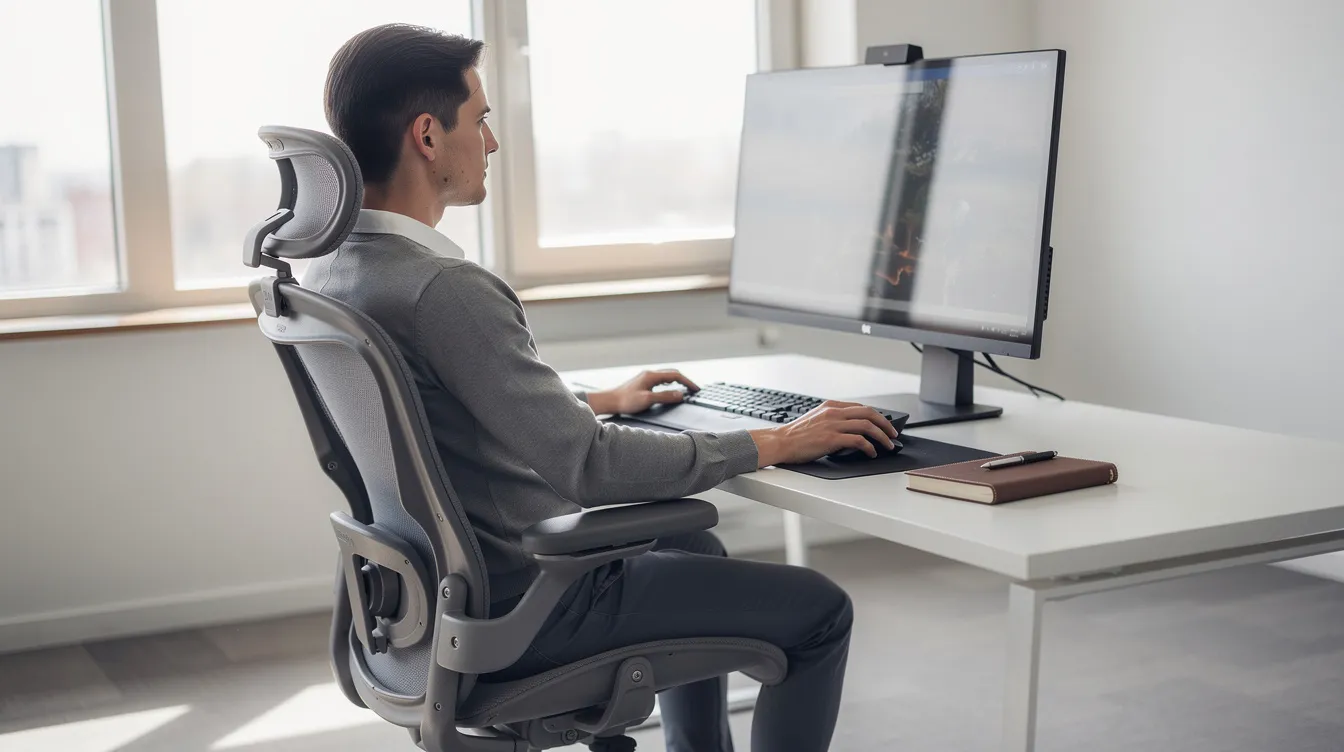
Posture and ergonomics:
- Keep screens at eye level, feet flat on the floor, shoulders relaxed, and lower back supported when sitting
- Avoid slouching; take standing or walking breaks every 30–60 minutes
- Ergonomic adjustments can help maintain proper posture and reduce lower back strain
Safe body mechanics:
- Proper lifting mechanics can prevent lumbar disc injuries by using knees and hips instead of the waist – never bend at the waist alone when lifting heavy objects
- Keep loads close to your body and avoid twisting while carrying
- Ask for help instead of lifting alone
Lifestyle strategies:
- Maintain a healthy weight to reduce strain on the lumbar spine
- Engage in regular exercise – walking, swimming, or cycling – several days a week
- Incorporate core strengthening and flexibility work to build strong muscles that support the spine
- Stop smoking to improve disc nutrition and blood vessels health
- Prioritize good sleep habits and stress management, because stress can amplify chronic lower back pain
Lower Back Pain FAQs
What causes lower back pain?
Lower back pain falls into several categories: mechanical causes like muscle strain and disc problems, nerve-related causes like sciatica from a herniated disc or stenosis, structural issues such as spondylolisthesis or scoliosis, and systemic causes including infection, tumor, or inflammatory arthritis. The right treatment plan depends entirely on identifying the underlying cause through proper evaluation.
Why does my lower back hurt?
Pain can arise when any part of the lumbar spine – muscles, discs, joints, ligaments, or nerves – is irritated or damaged. The reason your back hurts is often a combination of age-related wear, activity level, posture, and individual risk factors rather than a single event. Even neck pain can sometimes accompany lower back issues when spinal alignment is affected.
Can a herniated disc cause lower back pain?
Yes. A herniated disc can cause pain both at the disc itself and along the nerve path if disc material presses on a nerve root. Patients may feel localized back pain, radiating leg pain, or both depending on how much nerve irritation is present.
Can lower back pain cause leg pain or sciatica?
Sciatica occurs when a lumbar nerve root is compressed or inflamed, producing sharp, burning, or electric pain that travels from the low back through the buttock into one leg. Common causes include herniated disc, spinal stenosis, and spondylolisthesis. The pain depends on which nerve root is affected.
What treatments are available for lower back pain?
The treatment spectrum ranges from self-care and physical therapy to medications, interventional procedures (epidural injections, nerve blocks, radiofrequency ablation, kyphoplasty, neuromodulation), and spine surgery in select cases. Alleviate Institute focuses on conservative and minimally invasive options tailored to each patient, helping patients find relief without major operations whenever possible. For many patients, medical care begins with a thorough evaluation and a stepwise approach.
What type of doctor treats chronic lower back pain?
Chronic lower back pain is often managed by interventional pain management physicians, a spine specialist, physiatrists, or orthopaedic surgeons working within multidisciplinary teams. Dr. Daniel Roshan at Alleviate Institute of Spine and Pain is a dedicated interventional pain medicine physician serving patients across Los Angeles. Drawing from extensive medical education and clinical experience, he develops individualized plans for each patient.
When is an epidural injection used for lower back pain?
An epidural steroid injection is commonly recommended when inflammation around lumbar nerve roots causes leg pain, numbness, or weakness – typically from conditions like a herniated disc or spinal stenosis. Injections are usually considered after medications and physical therapy alone have not provided adequate relief over several weeks. When pain lasts despite conservative efforts, an epidural can relieve low back and radicular symptoms while the body heals.
Partnering With Alleviate Institute of Spine & Pain in Los Angeles
Chronic lower back pain can take over your work, your time with family, and your overall health. You do not have to accept it as permanent.
Alleviate Institute of Spine and Pain offers a full spectrum of spine and pain treatments – from conservative care and lifestyle guidance to epidural injections, facet blocks, radiofrequency ablation, basivertebral nerve ablation, kyphoplasty, spinal cord and peripheral nerve stimulators, PRP, and stem cell injections in appropriate cases. Every treatment plan is personalized, integrating the approaches most likely to relieve pain and restore function for your specific condition.
Our offices on Pico Blvd in Los Angeles and Wilshire Blvd in West Los Angeles welcome patients from across the greater LA area. If you are dealing with persistent or severe back pain, sciatica, a compression fracture, or any spine-related symptoms, schedule an evaluation to find out exactly what is causing your pain and what can be done about it. Call the office to discuss insurance, payment options, and next steps.
Early, accurate diagnosis and modern interventional pain treatments can often relieve low back pain and help you get back to the life you want – without major surgery. Expert help is available, and it starts with a single appointment.