
Introduction: PRP Injections for Chronic Neck and Back Pain
A platelet rich plasma injection uses your own blood, concentrated and reinjected into damaged spinal structures, to help relieve pain and support healing in ways that standard treatments may not. For patients living with chronic neck pain or low back pain that hasn’t responded to medications, physical therapy, or steroid injections, PRP injections represent a promising option within the growing field of regenerative medicine.
Spine-related chronic pain — whether it radiates between the shoulder blades, down the legs, or settles deep in the upper back and neck — can disrupt sleep, limit physical activity, and interfere with daily living. Poor posture at a computer screen, injuries, arthritis, and age-related disc degeneration are all common contributors. At Alleviate Institute of Spine and Pain in Los Angeles, PRP therapy is offered as a minimally invasive treatment for selected patients whose chronic conditions haven’t improved with other treatments. Compared to steroid injections, PRP may provide relief that lasts longer — potentially six months to a year for certain conditions.
- Who this article is for: Patients with ongoing neck or back pain considering PRP therapy after conservative care has fallen short.
- What you’ll learn: How PRP works for spine pain, what the research says, how it compares to steroids, and whether you may be a candidate.
What Is Platelet Rich Plasma and How Does It Work?
Platelet rich plasma is a component of your own blood in which platelets are concentrated to roughly 2–5 times above your normal baseline through a process called centrifugation. Platelets are packed with growth factors and healing proteins — including PDGF, TGF-β, VEGF, and IGF — that signal your body to reduce inflammation, improve blood flow, and support tissue repair.
PRP is commonly used in orthopedics, sports medicine, and aesthetics. It is often used to accelerate healing in musculoskeletal conditions and injuries, and PRP therapy is utilized in treating conditions such as knee osteoarthritis and tendon injuries. PRP has even been reported to increase hair density and decrease hair loss in some patients. However, PRP should not be confused with FDA-approved regenerative medicine products for orthopedic conditions.
| Component | What It Does |
|---|---|
| Platelets | Release growth factors that initiate repair and modulate inflammation |
| Growth factors (PDGF, TGF-β, VEGF) | Promote healing, angiogenesis, and tissue remodeling |
| Anti-inflammatory cytokines | Help reduce inflammation and shift the local environment away from chronic pain signaling |
Unlike stem cell therapy, which may use stem cells derived from bone marrow or other sources, PRP uses only the patient’s own blood — making it a distinct form of cell based treatments within regenerative medicine. Regenerative medicine treatments use a person’s own cells and tissues, and while the goal is to promote healing and reduce inflammation, regenerative medicine is not meant to regrow tissue to its original state. Rather, it changes the local environment to support repair. Research published in journals such as Int J Mol Sci (referenced in StatPearls [Treasure Island (FL): StatPearls Publishing]) continues to explore how PRP modulates pain pathways in spinal joints, discs, and surrounding soft tissues.
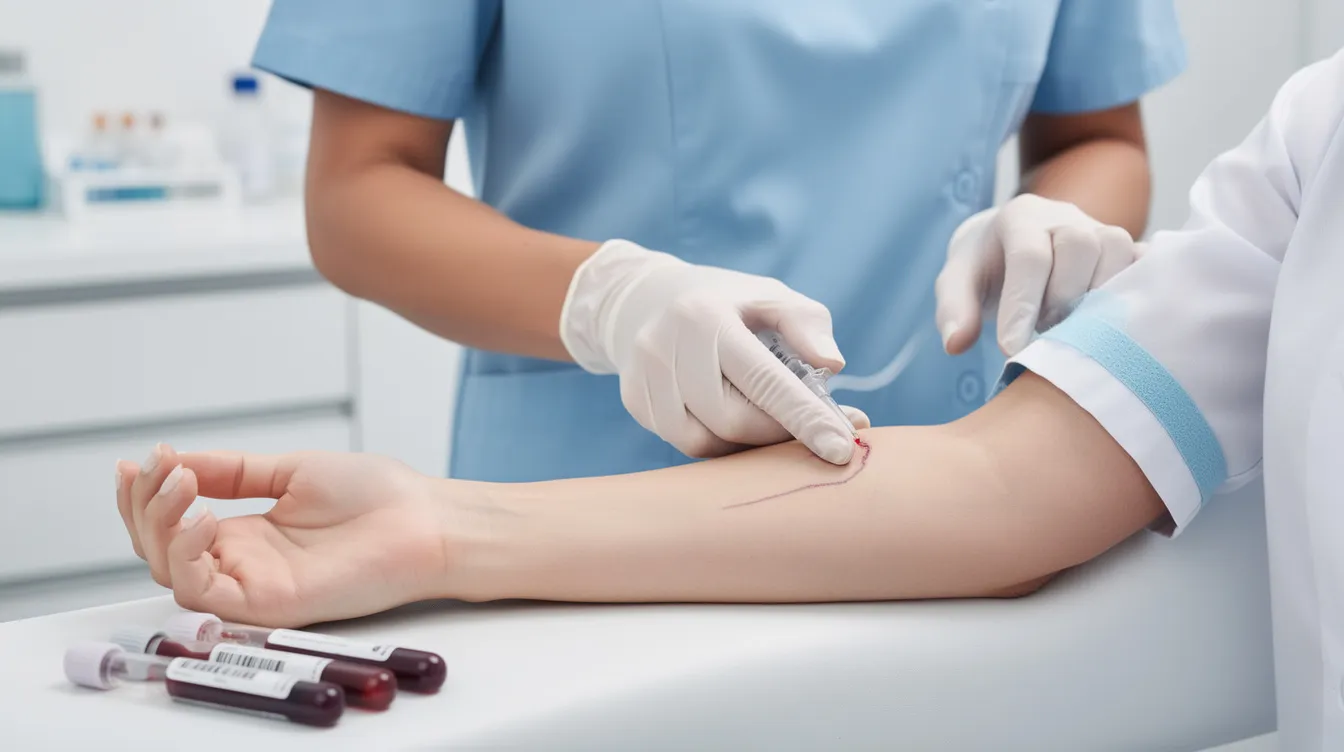
How the Platelet Rich Plasma Procedure Is Performed for Spine Pain
The platelet rich plasma procedure at Alleviate Institute typically takes about 30 minutes to complete, though your full visit — from check-in to discharge — may last 45–90 minutes. Here is what to expect:
- Preparation: Your healthcare provider reviews your medical history, imaging, and symptoms. The injection site is identified based on your diagnosis.
- Blood draw: Approximately 30–60 mL of blood is drawn from a vein in your arm.
- Processing: The blood is placed in a centrifuge, which spins for about 15–20 minutes to separate and concentrate the platelets. The platelet concentration in the final product is typically 2–5 times your baseline level.
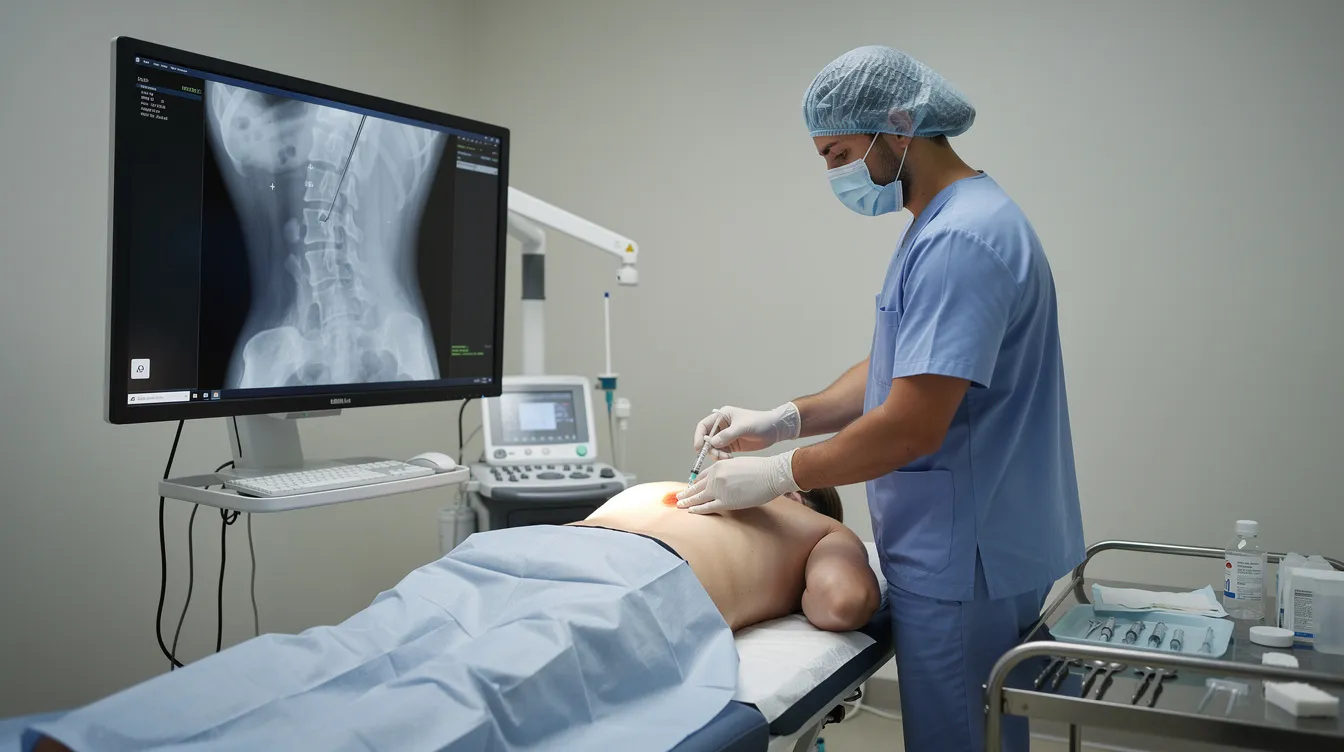
- Guided injection: Using fluoroscopy (live X-ray) or ultrasound, the physician places the PRP precisely into targeted structures — cervical or lumbar facet joints, sacroiliac joints, or the intervertebral disc.
- Recovery: A local anesthetic may be used for comfort. Patients go home the same day. Because platelet rich plasma therapy uses a patient’s own blood, it avoids steroids and systemic medications that affect hormones or blood sugar.
PRP Injections for Neck Pain: Targeting Joints, Discs, and Neck Muscles
Chronic neck pain can arise from cervical facet joint arthritis, whiplash injuries, degenerative disc disease, or a pinched nerve in the spinal column. Patients often describe stiffness, a deep ache near the neck muscles, or pain with rotation that may radiate toward the shoulder or between the shoulder blades. PRP injections can be injected into joints — specifically, painful cervical facet joints — or directed toward surrounding ligaments and soft tissues to help reduce pain and improve function.
- Patient selection: PRP for neck pain is typically considered after physical therapy, medications, and other treatments have failed to provide lasting relief.
- Research evidence: A 2026 randomized, double-blind trial of 40 patients compared leucocyte-poor PRP to corticosteroid injections for cervical facet pain. Both groups had significant pain reduction at one, three, and six months, with no statistically significant difference between groups. PRP patients reported improved pain self-efficacy at one month and experienced less procedural discomfort.
- Comparison to steroids: Cervical steroid injections often provide relief within days, but that benefit may fade within a few weeks to a few months. PRP tends to build gradually over 4–12 weeks and may sustain improvement for six months or longer.
PRP Therapy for Low Back Pain and Sciatica
Low back pain affects an estimated 619 million people globally and is the leading cause of disability worldwide. About 90% of low back pain cases are non-specific, and chronic low back pain — defined as lasting over 12 weeks — is a major cause of lost productivity. The peak incidence of low back pain occurs at ages 50–55, though it affects adults across a wide age range. Risk factors include sedentary behavior, obesity, poor posture, and prior spine injuries.
PRP therapy is often used for patients with back pain targeting these structures:
- Lumbar facet joints: Arthritis and degeneration of these small joints along the spinal column
- Sacroiliac (SI) joints: Dysfunction causing pain in the low back, buttock, and legs
- Intervertebral discs: Degenerative disc disease or disc herniation causing radicular pain (sciatica)
Intradiscal PRP — injection directly into the disc — is available but not all patients are candidates; outcomes for this approach remain variable. For facet and SI joint pain, evidence is stronger. A 2026 systematic review found that while steroids provided relief within 2–4 weeks for SI joint pain, PRP showed greater, longer-lasting benefits from week eight through at least six months, with fewer needs for rescue medications.
PRP vs Steroid Injections: Duration of Pain Relief and Key Differences
The central question for many patients with chronic pain is whether PRP injections can provide relief that outlasts epidural steroid injections or facet joint steroid injections. PRP therapy can provide pain relief for six months to a year, while steroid effects typically peak within the first month and fade by three to four months. Pain relief from PRP therapy can last six months to a year in many clinical scenarios. Research is ongoing to improve regenerative medicine treatments and clarify which patients benefit most.
A Japanese meta-analysis of epidural PRP versus epidural steroids for lumbar disc herniation found that steroids provided better relief at one month, but by six months, PRP achieved significantly greater pain reduction (mean difference of −1.51 on pain scales) and lower disability scores. The steroid group actually worsened between months one and six.
| Feature | Steroid Injections | PRP Injections |
|---|---|---|
| Onset of relief | Days to ~1 month | 4–8 weeks |
| Duration | Weeks to 3–4 months | 6–24 months in some studies |
| Mechanism | Suppresses inflammation temporarily | Delivers growth factors; modulates inflammation and repair |
| Systemic risks | Blood sugar elevation, tissue weakening with repeated use | Minimal; uses patient’s own blood |
| Best suited for | Acute flares, rapid symptom control | Chronic low back or neck pain, desire for longer-lasting benefit |
Not every patient responds to PRP, and high-quality head-to-head trials are still limited. Alleviate Institute physicians may recommend PRP over steroids when a patient has had only short-lived benefit from steroids, has medical conditions like diabetes that make repeated steroid use risky, or prefers a regenerative approach.
Safety, Risks, and Recovery After a PRP Injection
PRP is considered a low-risk treatment due to its autologous nature — it comes from your own body, reducing the chance of allergic reaction or rejection. Common side effects of PRP injections include temporary pain, swelling, and bruising at the injection site. This initial discomfort reflects a brief inflammatory response that is part of the healing process.
- Common reactions: Soreness and mild swelling for 1–3 days; occasional warmth at the injection site
- When to call your doctor: Fever, increasing redness, drainage from the site, or new weakness in your arms or legs
- Activity and self-care after PRP:
- Rest for 24–48 hours; avoid strenuous exercise and physical activity for the first few days
- Use cold therapy (ice packs) for the first day or two; a heating pad may help with stiffness after day two
- Avoid NSAIDs (ibuprofen, naproxen) for at least one to two weeks, as they may blunt the regenerative effect; acetaminophen is usually acceptable
- Gradually stretch and return to normal activities over 1–2 weeks; improvement in pain and function may develop over 4–12 weeks
Who Is (and Is Not) a Candidate for PRP Injections for Spine Pain?
The effectiveness of PRP varies based on the condition being treated and individual patient factors. Personalized approaches are key in regenerative medicine treatments.
- Good candidates: Adults with chronic neck pain or low back pain lasting longer than two months; imaging that match symptoms; failure of conservative care (physical therapy, medications, exercise); patients who want to avoid repeated steroids or who have other conditions making steroids risky
- Relative or absolute contraindications: Active infection, cancer involving the spine, uncontrolled diabetes, severe low platelet counts, current anticoagulation that cannot be safely held, advanced spinal stenosis with progressive weakness or bowel/bladder symptoms requiring surgery
- Questions to discuss with your spine specialist: What is the expected timeline for improvement? Is intradiscal PRP appropriate for my condition? What are the costs? Health insurance coverage for PRP therapy may be limited as it is often considered experimental — ask about payment options when scheduling
Realistic expectations matter: PRP is not a guaranteed cure for severe spinal deformity, and surgery may still be necessary for certain conditions. But for many patients with chronic conditions who haven’t found lasting relief, it can be a meaningful step forward.

PRP Therapy as Part of a Comprehensive Spine Pain Plan at Alleviate Institute
PRP therapy works best as one element of a broader treatment strategy. At Alleviate Institute of Spine and Pain, your care plan may also include targeted exercises to strengthen neck muscles and core muscles, activity modification, and guidance on overall health — from sleep posture to ergonomic adjustments that relieve strain on the spine. Stem cell therapy and other cell based treatments may also be discussed where appropriate, though PRP remains distinct in its preparation and application.
Alleviate Institute offers a full range of minimally invasive spine procedures — including rhizotomy, spinal cord stimulation, Intracept, and kyphoplasty — and PRP injections are integrated when they fit your diagnosis and goals. The aim is to help you move from passive treatments toward active self-management so you can regrow tissue confidence in your body’s ability to heal and return to the activities that matter to you.
- PRP can relieve pain and improve function when matched to the right diagnosis
- Evidence supports longer-lasting benefit compared to steroids for many spine pain conditions
- A thorough evaluation ensures PRP is the right fit before you proceed
If you live in or around Los Angeles, Long Beach, Riverside and are dealing with chronic pain in your neck, back, or legs, contact Alleviate Institute of Spine and Pain at our Downtown Los Angeles location, Long Beach location, Riverside location, Walnut Creek location, Fremont location, or Marina Del Rey location to schedule a personalized evaluation. The right plan to relieve pain starts with understanding exactly what’s causing it.