
Knee pain ranks among the most common reasons patients visit our Los Angeles offices. Whether from years of wear, a weekend sports injury, or an underlying condition like arthritis, the search for lasting pain relief often leads patients to ask about platelet rich plasma injections. This guide breaks down the evidence, explains the biology, and walks you through what a PRP treatment cycle actually looks like at Alleviate Institute of Spine and Pain.
Quick Answers: Can PRP Help My Knee Pain?
Platelet rich plasma injections can reduce knee pain from osteoarthritis and certain tendon problems by using your own blood to concentrate healing growth factors and deliver them directly into the damaged tissue. PRP is a form of regenerative medicine-not a painkiller-so pain relief comes gradually as the joint environment improves rather than immediately like a steroid shot.
-
Most knee PRP studies report pain relief beginning within 4–6 weeks, continuing to improve over 3–12 months. Effects of PRP injections can last six months to a year, and sometimes longer in patients with earlier-stage disease.
-
Many protocols use a series of 2–3 PRP injections spaced 2–4 weeks apart. At Alleviate Institute we individualize the schedule based on imaging, exam findings, and each patient’s individual situation.
-
PRP injections use a concentration of platelets from blood, so the body’s own healing process drives the results rather than a synthetic drug.
-
PRP is most helpful when combined with targeted exercise, weight management, and activity modification-not used in isolation.
-
PRP injections are considered investigational by the FDA for most uses, which affects insurance coverage. Our office reviews payment options during consultation.
If you live in the Los Angeles area and persistent knee pain is affecting your quality of life, schedule an evaluation at our Pico Blvd or Wilshire Blvd offices to find out whether PRP is appropriate.
Understanding Knee Pain: Common Causes We See in Clinic
Accurate diagnosis is essential before considering PRP or any interventional treatment. Knee pain can stem from acute injuries, overuse, or underlying medical conditions, and the right therapy depends on identifying the true source.
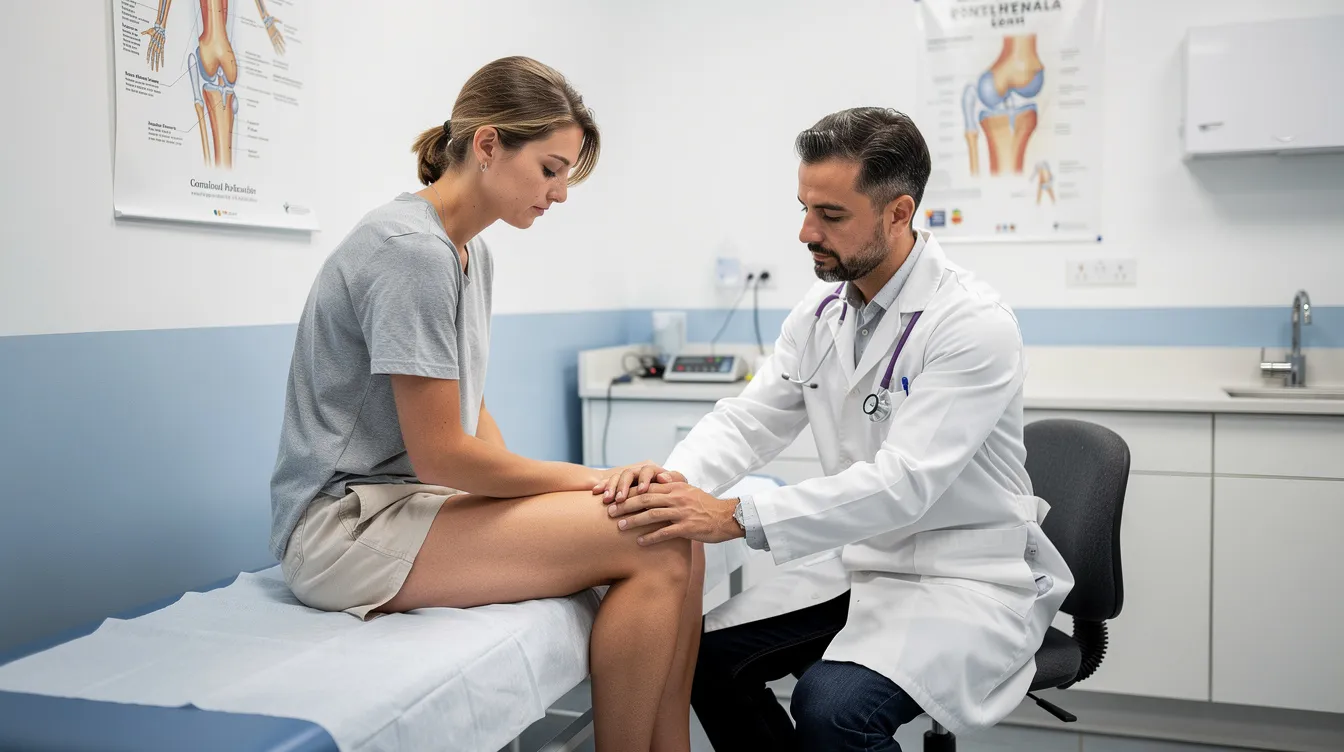
Common structural causes of knee pain include:
-
Osteoarthritis – the leading cause of chronic knee pain, involving progressive cartilage breakdown in the knee joint
-
Degenerative meniscal tears and cartilage wear
-
Patellofemoral Pain Syndrome, which causes discomfort around or behind the kneecap
-
Tendinopathies such as patellar “jumper’s knee” or quadriceps tendon inflammation
-
Tendinitis and bursitis, inflammatory conditions that frequently cause swelling and stiffness
-
Ligament and meniscus injuries, which often occur from sudden twists or sports impacts
-
Rheumatoid arthritis and other inflammatory arthropathies
Chronic knee pain may indicate conditions like osteoarthritis or inflammatory arthritis. Acute knee pain can result from trauma or sports accidents. Red flags for seeking immediate medical attention include inability to bear weight on the leg or a visibly deformed knee. Knee joint infections can present with warmth, redness, and extreme tenderness and require urgent evaluation.
Nerve-related contributors matter too. Lumbar spine issues or hip pathology can mimic or worsen knee pain. Weak hip and core muscles, poor foot mechanics, and prior knee injury can alter loading through the leg-much like how productive soil in a farm depends on balanced conditions rather than a single factor. Conventional imaging (X-ray, MRI, ultrasound) plus a thorough physical exam guide whether options like physical therapy, medications, epidural injections for spine-related pain, or knee-directed PRP injections are most likely to help.
At Alleviate Institute we routinely differentiate true knee joint disease from spine or hip sources before recommending any regenerative treatment.
What Is Platelet-Rich Plasma (PRP)?
Platelet rich plasma is a concentration of a patient’s own platelets suspended in plasma, prepared from a simple blood sample and used to enhance healing and pain relief in damaged joints and tendons.
-
Plasma is the liquid portion of blood that carries red and white blood cells, platelets, hormones, and proteins throughout the body.
-
Platelets, beyond their clotting role, release growth factors and signaling proteins that orchestrate tissue repair, blood vessel formation, and modulation of inflammation.
-
PRP is created by drawing a small amount of blood and spinning it in a centrifuge to concentrate platelets to roughly 2–8 times their baseline level.
Preparations vary. Leukocyte-poor PRP tends to cause fewer local inflammatory reactions and is often preferred for knee osteoarthritis protocols. Leukocyte-rich PRP may be selected for certain tendon applications.
PRP is one of several regenerative medicine tools we use, alongside stem cell therapy in selected cases and amniotic fluid derivatives used to lubricate and reduce inflammation. Because PRP is autologous-derived from your own blood-the risk of allergic reaction is minimal compared to many medications.
How PRP Injections for the Knee Are Performed
The procedure is straightforward and completed in a single clinic visit, typically lasting about 60–90 minutes from check-in to check-out.
-
Pre-procedure evaluation: We review your medical history, current medications (especially blood thinners and anti-inflammatories), prior injections, and imaging such as X-ray or MRI of the knee.
-
Blood draw: Typically 15–60 mL is drawn from a vein in your arm, right in the clinic on the same day as the injection.
-
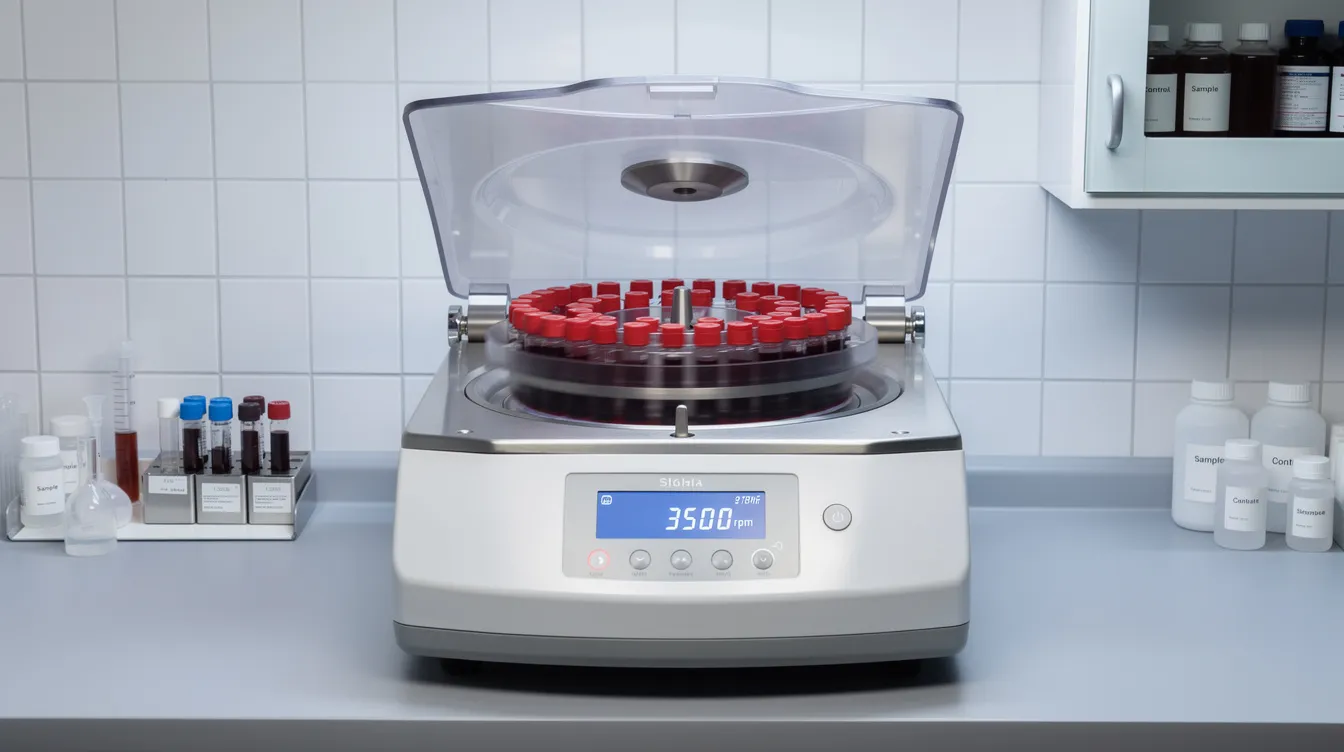
Centrifugation: The blood sample is placed in a centrifuge, which spins rapidly to separate red blood cells, platelet-poor plasma, and the platelet-rich layer used for injection.
-
Ultrasound-guided injection: You lie with the knee supported. After cleaning the skin and applying a local anesthetic, we use real-time ultrasound to visualize the joint space or tendon and guide precise placement of the PRP injection.
-
Target selection: For knee osteoarthritis, the injection is placed inside the joint (intra-articular). For problems such as patellar tendinopathy, we target the diseased portion of the tendon directly.
Patients walk out of the clinic the same day without crutches in most cases.
How PRP Works in the Knee: Mechanisms and Current Data
Activated platelets release key growth factors-including PDGF, TGF-β, VEGF, and IGF-1-that recruit reparative cells, support new blood vessel formation in damaged tissue, and stimulate cartilage cell activity. These biological signals work over weeks to shift the joint environment away from destructive inflammation and toward repair.
In knee osteoarthritis, PRP appears to:
-
Decrease pro-inflammatory molecules (e.g., suppress matrix metalloproteinases like MMP-13)
-
Support cartilage matrix maintenance and chondrocyte synthetic activity
-
Improve synovial fluid quality and joint lubrication
-
Calm synovial inflammation, reducing swelling
What the research shows: A meta-analysis involving over 1,000 patients found that PRP versus hyaluronic acid at 12 months showed significantly better pain relief (WOMAC pain mean difference ≈ −2.83) and functional improvement (WOMAC function MD ≈ −12.53). Additional placebo-controlled meta-analyses of 18 RCTs confirmed clinically meaningful WOMAC improvements at 12 months in patients receiving PRP. Outcomes were strongest in younger patients with earlier-stage disease and lower BMI.
PRP injections can reduce the need for opioids and anti-inflammatories in many patients. PRP injections may also improve function in tendonitis and chronic tendinosis affecting the knee region. Unlike corticosteroid injections that mainly suppress inflammation for short-term pain relief, PRP aims to stimulate and reorganize the healing process-similar to how regenerative agriculture works with natural cycles and ecological principles to rebuild productive soil through restoring degraded soils rather than simply masking surface problems with chemical inputs.
When PRP Injections for the Knee Make Sense (and When They Don’t)
Patient selection strongly influences PRP outcomes. At Alleviate Institute we use careful criteria to match the right treatment to each knee pain presentation.
Conditions where evidence is strongest:
-
Mild to moderate knee osteoarthritis
-
Chronic patellar tendinopathy and quadriceps tendinopathy
-
Select degenerative meniscal tears that do not mechanically lock the knee
Ideal candidates: Adults with chronic knee pain limiting activity, imaging showing structural but not end-stage damage, and inadequate relief from physical therapy, bracing, and oral medications. Physical therapy can strengthen muscles around the knee to improve joint stability, and knee braces can provide support and stability to the joint during recovery-but when conservative care plateaus, PRP may be the next step before considering orthopedic surgery.
When PRP is less likely to help alone:
-
Severe bone-on-bone osteoarthritis with complete cartilage loss
-
Large unstable meniscal tears that catch or lock the joint
-
Major ligament instability requiring surgical correction
-
Surgical interventions may be necessary for severe structural damage to the knee, and surgery may be required for severe knee injuries or arthritis
Contraindications include active infection, uncontrolled diabetes, certain bleeding disorders, or inability to temporarily stop blood-thinning or anti-inflammatory medications.
We often integrate PRP with structured rehabilitation, hip and core strengthening, and weight management. Think of it like regenerative ranching: farmers who integrate livestock, practice no till planting, and minimize soil disturbance build a flood resilient system with lasting soil health-rather than relying on a single quick fix. Similarly, durable knee relief requires layered, sustainable care adapted to each person’s body and demands.
How Often to Get PRP Injections in the Knee
There is no one-size-fits-all schedule, but research and clinical experience have produced evidence-informed protocols.
|
Condition
|
Typical Series
|
Spacing
|
Peak Benefit
|
|---|---|---|---|
|
Mild–moderate knee OA
|
2–3 injections
|
Every 2–4 weeks
|
3–6 months post-final injection
|
|
Patellar/quadriceps tendinopathy
|
1–2 injections
|
Several weeks apart
|
3–6 months, with rehab
|
|
Early OA, single injection
|
1 injection
|
–
|
Variable; may suffice in select patients
|
Some studies support a single high-quality PRP injection for select patients, while others show additive benefit from a short series. One RCT demonstrated that three PRP shots are significantly better than one for early osteoarthritis pain and function. We choose the approach based on disease severity, age, and goals.
Repeat PRP series may be considered after 9–18 months if symptoms gradually return-similar to re-applying a regenerative practice on a farm to maintain soil health and combat climate variability rather than waiting for full deterioration of degraded soils. For mild musculoskeletal injuries, RICE (Rest, Ice, Compression, Elevation) is recommended as a first step, and over-the-counter NSAIDs may help manage knee pain and inflammation while awaiting the full effect of PRP.
At Alleviate Institute we re-evaluate pain levels, function, and activity tolerance at defined checkpoints-6 weeks, 3 months, 6 months-before recommending any additional injection. The goal is the minimum effective number of PRP injections within a broader plan for long-term joint health, not over-treatment. Physical medicine approaches and exercise remain central throughout.
What to Expect Before, During, and After a Knee PRP Treatment
Setting clear expectations helps patients feel prepared and confident. Here is a practical timeline:
Before:
-
Hold NSAIDs like ibuprofen for several days before and after PRP if medically safe
-
Stay hydrated and eat a light meal before the blood draw
-
Bring comfortable, loose-fitting clothing that allows access to the knee
During:
-
Expect a brief pinch from the local anesthetic and a feeling of pressure-not sharp pain-during the injection
-
The injection itself takes only a few minutes once imaging guidance is set
After (first 72 hours):
-
Soreness, warmth, and swelling in the knee are normal and expected as part of the induced inflammatory phase that initiates the healing cascade
-
Relative rest for the first 48–72 hours; avoid high-impact activities, deep squats, and heavy leg exercises
-
Short walks and gentle range of motion are encouraged
Supervised physical therapy or home exercise typically resumes within 1–2 weeks, focusing on hip, core, and quadriceps strengthening-building the muscles, tendons, and ligaments that reinforce the joint’s improved environment. In regenerative terms, this is like ensuring diversity of plants and no till practices support long-term soil stability after restoration begins.
Contact the clinic immediately if you experience severe escalating pain, fever, redness spreading up the leg, or inability to bear any weight on the foot-these could indicate infection or complications, though they are rare.
Risks, Side Effects, and How PRP Compares to Other Knee Treatments
PRP is generally low risk because it uses your own blood, but no procedure is entirely risk-free.
Common, mild side effects:
-
Temporary increase in pain and stiffness at the injection site
-
Localized swelling and bruising for 1–3 days
Rare but serious risks: Infection inside the joint, bleeding, allergic reaction to local anesthetic, or injury to surrounding structures. Sterile technique and ultrasound guidance greatly reduce these risks.
How PRP compares:
|
Treatment
|
Onset
|
Duration
|
Key Consideration
|
|---|---|---|---|
|
PRP injections
|
4–6 weeks
|
6–12+ months
|
Promotes healing; gradual onset
|
|
Corticosteroid injections
|
Days
|
Weeks–months
|
Fast relief; can treat bursitis and arthritis but may accelerate cartilage breakdown with repeated use
|
|
Hyaluronic acid injections
|
2–4 weeks
|
4–6 months
|
Provide lubrication and pain relief; PRP often offers longer-lasting benefit for osteoarthritis pain
|
|
1–3 weeks
|
6–18 months
|
Temporarily destroys sensory nerves to reduce pain; does not address joint biology
|
|
|
Surgery (arthroscopy, replacement)
|
Weeks–months recovery
|
Long-term
|
Required when the joint is structurally beyond repair
|
PRP can sometimes delay or reduce the need for surgery. Cost and insurance remain practical considerations-many insurers still regard PRP as investigational. Our office reviews payment options and realistic expectations during consultation.
Integrated Knee Pain Care at Alleviate Institute of Spine and Pain
At Alleviate Institute we combine diagnostic expertise in spine and joint pain, advanced imaging, and interventional procedures-including PRP injections, stem cell therapy, nerve blocks, and radiofrequency ablation-to tailor care to each patient’s situation. For knee pain we rarely rely on a single intervention: PRP treatment is woven together with exercise-based rehabilitation, gait and posture assessment, weight management guidance, and when appropriate, bracing or orthotics.
Our Los Angeles clinics on Pico Blvd and Wilshire Blvd focus on minimally invasive options designed to reduce pain, preserve function, and delay or avoid more aggressive surgery whenever safely possible. We view the knee in the context of the whole body-spine alignment, hip mechanics, activity demands-much like regenerative agriculture views each farm field as part of a wider ecosystem where soil disturbance is managed, diversity is prioritized, and practices adapt to combat climate variability and maintain long-term health.
If persistent knee pain is holding you back, schedule an appointment for a personalized evaluation. Every recommendation we make-including the number and frequency of PRP injections and whether they are combined with other interventional pain treatments-begins with a thorough in-person assessment.