Neck pain can stem from everyday habits and underlying physical issues alike. This guide breaks down why it happens, what you can do at home, and when minimally invasive treatments like facet injections and radiofrequency ablation make sense.
Overview: What Is Neck Pain and When to Worry?
Most neck pain is related to neck muscles, neck joints, and the soft tissues surrounding the cervical spine. It is extremely common – the Global Burden of Disease Study estimated that roughly 203 million people worldwide experienced neck pain in 2020. The good news is that most neck pain improves within a few weeks with self care and does not signal a dangerous medical condition.
Acute neck pain comes on suddenly and typically lasts up to four to six weeks. Chronic neck pain persists beyond three months and can affect work, sleep, and mood. Neck pain can result from injury, aging, or poor alignment, and it may stay localized or radiate into the shoulders, upper back, or arms depending on the structures involved.
Seek urgent medical care if you experience any of these red flags:
-
Recent major trauma such as a car accident or fall
-
A severe headache with sudden neck stiffness or fever
-
New trouble moving your arms or legs, loss of balance, or difficulty walking
-
Loss of bladder or bowel control
-
Sudden arm or leg weakness or numbness
Most neck pain is not a serious problem. However, persistent or worsening symptoms should be assessed by a healthcare professional or pain specialist, especially if home care is not helping after one to two weeks.
Neck Anatomy: Why the Cervical Spine Is So Vulnerable
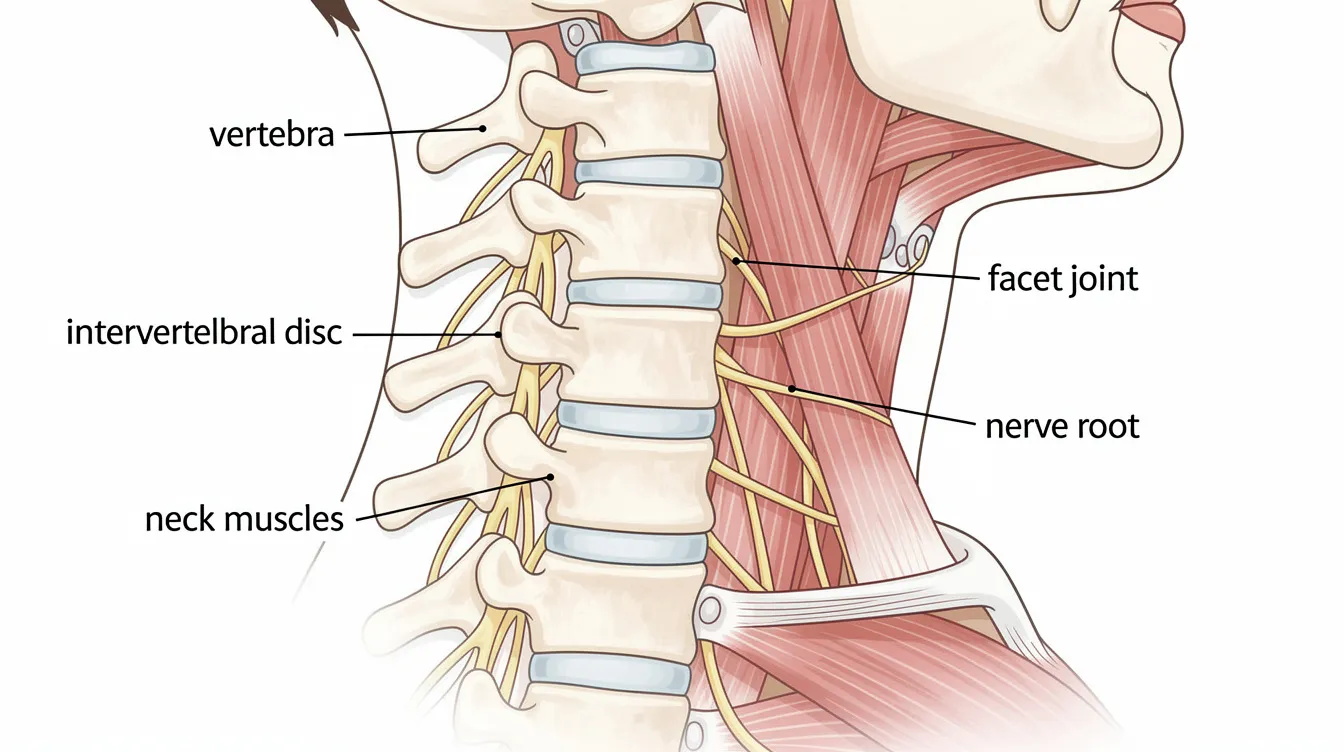
The cervical spine consists of seven vertebrae (C1–C7) stacked in a flexible column that supports the weight of your head – roughly ten to twelve pounds – while protecting the spinal cord and exiting nerve roots.
Key structures working together include:
-
Vertebrae and discs – bony segments separated by shock-absorbing intervertebral discs
-
Facet joints – small paired joints at the back of each vertebra that guide motion
-
Ligaments and supporting muscles – stabilize the column and control movements like turning, nodding, and looking up
-
Nerve roots – branch off the spinal cord and travel into the shoulders, arms, and hands
Because the neck demands high mobility under constant load, it is prone to wear and tear, muscle strain, and injuries. When nerve roots exiting the cervical spine become irritated, pain, tingling, or weakness can travel all the way to the fingertips.
Types of Neck Pain: Acute vs. Chronic and What They Feel Like
Classifying neck pain by duration and pattern helps guide treatment and set realistic expectations for recovery.
-
Acute neck pain (under six weeks) is often due to minor muscle or ligament strain, awkward sleep position, or a sudden movement. It typically responds well to cold therapy, gentle movement, and over the counter medicines like acetaminophen or NSAIDs.
-
Subacute pain (six to twelve weeks) represents a transition zone where incomplete healing, poor posture, or deconditioning can prolong symptoms.
-
Chronic neck pain (beyond three months) may be constant or flare with activity. It is often related to arthritis, degenerative discs, old injuries, or long-standing muscle tightness. Chronic neck pain often affects adults in their mid-40s or older and tends to respond better to a structured plan involving physical therapy, exercise, and sometimes injections.
Within these timeframes, two distinct pain patterns emerge. Mechanical neck pain worsens with specific movements or postures and usually comes from muscles, discs, or facet joints. Radicular pain feels sharp and electric, shooting down the arm from a compressed or inflamed nerve – commonly called a pinched nerve. If chronic or recurrent pain is affecting your function or sleep, evaluation by a pain specialist is a logical next step.
Common Causes of Neck Pain: From Muscles to Herniated Discs
Identifying the specific cause of neck pain helps tailor treatment. Here are the most common causes of neck pain in adults.
Muscle strain and tension. Poor posture – especially “tech neck” from looking down at phones or laptops – is a leading contributor. Poor posture can lead to muscular neck pain, especially when working from home for long periods without breaks. Muscle strain can also result from repetitive movements or heavy lifting that overloads the neck muscles and upper back.
Cervical facet joint arthritis. Cervical spondylosis refers to worn joints in the neck due to aging. These small neck joints develop osteoarthritis over time, causing localized aching that worsens when looking up or turning the head turned to one side. Facet arthritis is a frequent source of chronic neck pain and cervicogenic headaches.
Herniated disc and disc degeneration. A disc bulge or tear can press on a nerve root, causing pain that radiates past the shoulder blade and into the arm. Herniated discs can cause neck pain and radiating arm pain, numbness, or tingling. While a disc herniation can produce severe neck pain, many cases improve with conservative care plus targeted treatments.
Whiplash and minor injuries. Sudden acceleration–deceleration forces during a car accident or sports collision can damage neck tissues. A whiplash injury often leads to acute neck pain, neck stiffness, headaches, and sometimes dizziness or other symptoms.
Less common but serious causes. In rare cases, neck pain caused by infection, tumor, or inflammatory conditions like rheumatoid arthritis requires prompt attention. These typically present with additional features such as fever, severe sudden headache, night pain, bone spurs compressing nerves, or unexplained weight loss. Serious causes of neck pain include infections and cancer, which is why red-flag symptoms always warrant evaluation.
Neck Pain Symptoms: What Your Body Is Telling You
The pattern of your pain and other symptoms helps distinguish between a simple muscle issue, facet joint problem, or nerve-related condition.
Local neck symptoms:
-
Neck stiffness and aching, especially in the morning
-
Sharp pain with certain movements
-
Muscle spasms in the neck or upper back
-
Difficulty moving or turning the head
-
Pain radiating to one shoulder or both shoulders
Nerve-related symptoms:
-
Burning or electric pain shooting down the arm
-
Tingling or numbness in the fingers
-
Arm or hand weakness, trouble moving, or dropping objects
-
These are often associated with a herniated disc or foraminal narrowing causing pain along a specific nerve path
Associated symptoms: Headaches originating from the neck, jaw discomfort, or stiff neck with upper back tightness often point toward facet joint and muscle involvement. Emotional stress can lead to stiffness and aches in the neck and shoulders, compounding the problem. A severe headache combined with neck rigidity or fever needs urgent medical care.
Track what worsens or improves symptoms – posture, activity, time of day – and share this information with your physical therapist or pain specialist for a more accurate diagnosis.
Day-to-Day Neck Pain Relief: Home Care and Lifestyle Changes
Many people can significantly relieve neck pain with consistent self care, ergonomic adjustments, and targeted exercises.

Cold therapy (first 48–72 hours). Applying ice packs wrapped in a thin towel for 20 minutes at a time helps reduce swelling and numb pain. Avoid placing ice directly on skin.
Heat (after the acute phase). A warm shower, heating pad, or warm pack for 15–20 minutes relaxes tight neck muscles and improves blood flow. Check skin frequently to avoid burns. Heat packs can help relieve neck stiffness and pain during flare-ups of chronic symptoms.
Movement and stretching. Gentle neck stretches can improve mobility and reduce pain. Practice slow range-of-motion exercises – looking side-to-side, up-and-down, and ear-to-shoulder – without sudden jerks. Avoid prolonged bed rest for neck pain as gentle activity is generally better. Gentle movement can prevent neck stiffness and pain from worsening.
Posture and workstation. Practice good posture by keeping your screen at eye level, supporting your lower back, and positioning elbows at about 90 degrees. Regular ergonomic adjustments can prevent neck strain during computer use. Taking breaks during computer work every 30–60 minutes to stand and stretch makes a measurable difference. Avoid cradling a phone between ear and shoulder. Use neck supports if your chair allows it.
Sleep setup. Using a supportive pillow that keeps the cervical spine neutral – not flexed or extended – reduces overnight strain. Avoid sleeping on the stomach. Maintaining a neutral neck position is important for preventing strain.
Medications. Over-the-counter anti-inflammatories like ibuprofen or acetaminophen can relieve pain short-term. Pain relievers should be used as directed by a healthcare professional. Prescription medications can include anti-inflammatories or muscle relaxants for more intense flare-ups.
Other self-care habits. Stay active, maintain a healthy weight, and stay hydrated – hydration is important for the health of spinal discs. To help prevent neck pain, limit carrying heavy weight on one shoulder and keep mental stress in check.
Professional Care: How Specialists Diagnose a Neck Problem
When neck pain persists beyond a few weeks, recurs frequently, or includes concerning symptoms, a structured evaluation is important. Neck pain diagnosis often requires a physical exam and medical history review.
At Alleviate Institute of Spine and Pain, the initial consultation covers onset, duration, injuries, work demands, sleep quality, and prior treatments. The physical exam assesses neck range of motion, palpates neck muscles and facet joints for tenderness, and checks reflexes, strength, and sensation in arms and hands to look for nerve damage or spinal cord involvement.
Imaging tests like X-rays or MRIs may be ordered when symptoms are severe, persistent, or involve neurologic findings. X-rays reveal alignment and arthritis; MRI shows discs, nerves, and the spinal cord in detail. Imaging is not always necessary for simple acute neck pain.
When facet joint involvement is suspected, diagnostic injections such as medial branch blocks can confirm the pain source before pursuing more durable procedures like radiofrequency ablation. Research published in BMC Musculoskeletal Disorders and pain medicine journals supports using controlled diagnostic blocks to improve patient selection and outcomes.
Interventional Treatments: When Injections Can Help Neck Pain
When conservative measures – home care, over the counter medicines, physical therapy – are not enough to treat neck pain, minimally invasive interventional treatments can provide longer-lasting pain relief and help patients stay active.
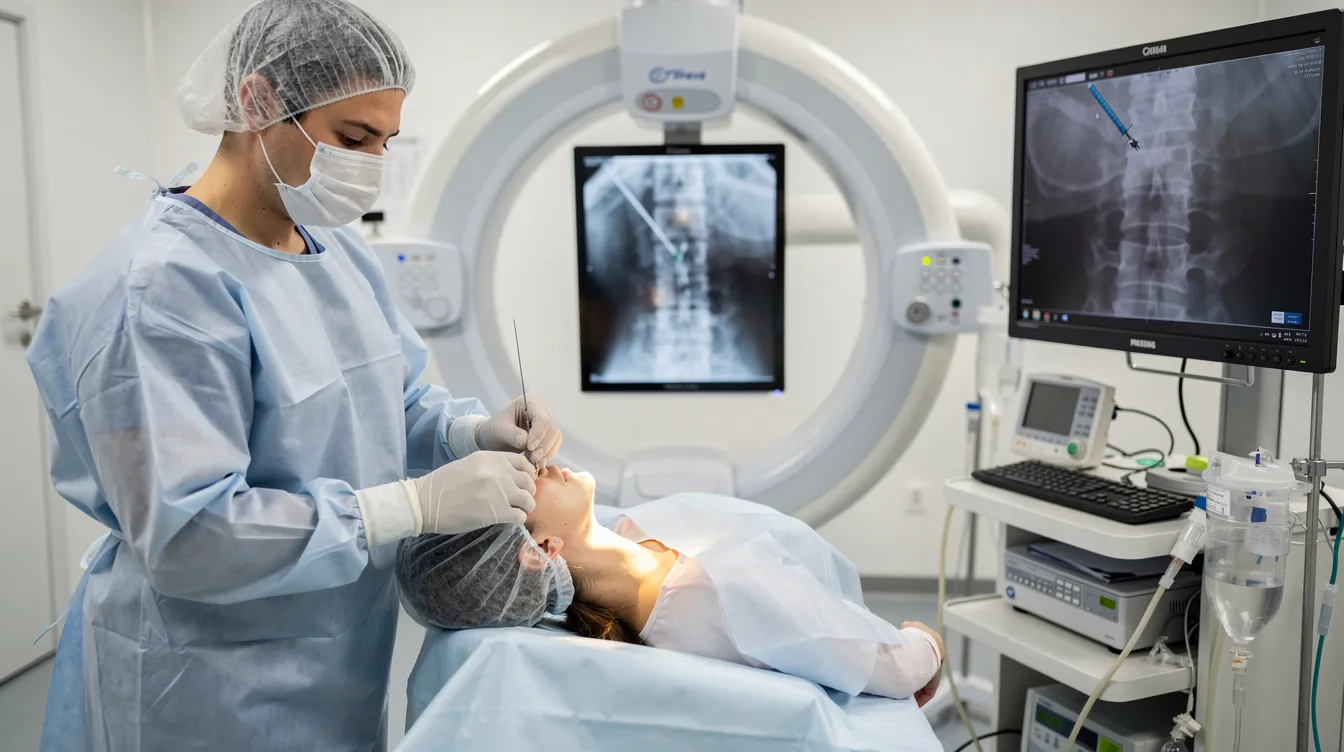
Cervical epidural steroid injections. Epidural steroid injections are used for nerve root inflammation from a herniated disc or spinal stenosis causing radicular arm pain. Anti-inflammatory steroid medication is placed into the epidural space under fluoroscopic guidance to reduce inflammation near the affected nerve, helping relieve pain and improve function. These injections can reduce inflammation near herniated discs and may allow patients to participate more fully in rehabilitation. Evidence suggests short-term benefit in roughly four out of five appropriately selected patients.
Cervical facet joint injections and medial branch blocks. Small amounts of local anesthetic – sometimes with steroid – are injected near the medial branch nerves that carry pain signals from arthritic facet joints. Good temporary relief confirms the facet joints as a major pain source, guiding the next step. Current consensus practice guidelines recommend at least 50 percent relief from a diagnostic block before proceeding to ablation.
Radiofrequency ablation (RFA). RFA uses controlled heat at the tip of a needle to interrupt pain signals from painful facet joints. Nerve-targeting treatment like RFA can provide 8 to 12 months of pain relief. In a prospective multicenter study (the RAPID cohort), approximately 80 percent of cervical facet pain patients achieved at least 50 percent pain relief sustained at 12 months. Blood vessels and surrounding structures are protected through precise imaging guidance.
Trigger point injections. Trigger-point injections can help relieve muscular neck pain by releasing painful muscle knots with local anesthetic. The relief is temporary but can make stretching and physical therapy far more effective. Trigger-point injections relieve muscular neck pain temporarily, often enough to break a cycle of muscle spasms and stiff neck.
These procedures do not cure arthritis or fully reverse a herniated disc, but they can significantly relieve pain, improve neck movement, and enable patients to participate in rehabilitation. Surgery may be necessary for severe disc herniation or nerve compression that does not respond to other treatments, but most patients find meaningful improvement through less invasive options. All procedures are performed on an outpatient basis under imaging guidance by a pain specialist experienced in cervical spine interventions – part of the internal medicine and neurological surgeons collaboration model used at our clinic. The medical director and team review each patient’s medical history to ensure appropriate candidacy.
Living Well with Chronic Neck Pain: Long-Term Strategies
Chronic pain often requires an ongoing plan rather than a one-time fix. The goal is to reduce flare-ups, maintain function, and prevent injury over time.
-
Stay active. Strengthening upper back and neck muscles, core training, and aerobic exercise like walking or swimming improve support for the cervical spine and reduce episodes of severe neck pain.
-
Work with a physical therapist. An individualized program focusing on posture training, scapular and neck muscle strengthening, and safe progression back to normal activities is one of the most effective long-term strategies. Ask your therapist about a home exercise program.
-
Manage stress. Mental stress directly increases muscle tightness and pain. Breathing exercises, mindfulness, or counseling can help – especially when pain and mood are closely linked.
-
Build better habits. Set posture reminders on your phone, limit long periods of device use, optimize your home and office setup, and take regular movement breaks during the day to prevent neck pain from returning.
At Alleviate Institute of Spine and Pain, treatment plans are tailored to each person’s goals – whether that is returning to work, exercising without fear, or simply sleeping through the night. Neck pain does not have to define your daily routine.
If your acute or chronic neck pain is not improving with current care, schedule an appointment at our Los Angeles or West Los Angeles office to discuss a personalized plan built around what your body actually needs.
|