
If back pain, neck pain, or radiating nerve pain has been keeping you from the activities you enjoy, epidural injections may offer meaningful relief. Here is what you need to know about this common pain management procedure, how it works, and what to expect at our Los Angeles practice.
How Epidural Injections Help with Pain Relief
Epidural steroid injections are minimally invasive procedures used for pain management of chronic pain conditions such as sciatica, herniated disc, spinal stenosis, and radiculopathy. Rather than masking pain signals with oral medications alone, these spinal injections deliver anti-inflammatory steroid medication directly to the source of inflammation around irritated spinal nerves.
It is important to distinguish epidural steroid injections from epidural anesthesia used during childbirth or surgery. Epidural anesthesia delivers numbing medicine in larger doses to block sensation in the lower body. Epidural steroid injections for chronic pain use much smaller amounts and are designed to reduce pain and inflammation, not to cause complete numbness.
At Alleviate Institute of Spine & Pain, Dr. Daniel Roshan uses image-guided epidural steroid injections to reduce inflammation around compressed or irritated nerve roots. Epidural steroid injections are effective in at least half of the patients treated, and pain relief may last from several weeks to several months—occasionally longer. They do not guarantee a permanent cure but can help patients return to normal activities and participate more fully in physical therapy.
Key benefits include:
- Targeted pain relief at the nerve root causing pain
- Reduced inflammation that can relieve pain radiating into the arm or leg
- Improved mobility and function to support rehabilitation
- A diagnostic tool to confirm which spinal level is causing symptoms
What Is an Epidural Steroid Injection?
An epidural steroid injection places anti-inflammatory corticosteroid medication—and sometimes a local anesthetic—into the epidural space. This is the area between the bony spinal canal and the membrane surrounding the spinal cord and spinal nerves. The epidural space contains fat and blood vessels, providing a pathway for medication to bathe inflamed nerve roots.
Corticosteroids commonly used include dexamethasone and methylprednisolone. These corticosteroid injections can be performed in the cervical spine (neck), thoracic spine (mid-back), lumbar spine (low back), or caudal region (through the tailbone area), depending on where the painful nerve is located.
What to understand about epidural steroid injections:
- They target the epidural space around the spinal cord and nerve roots
- They use steroid medication to calm inflammation, not to permanently numb tissue
- They can be given at multiple spinal levels depending on your condition
- They use far lower anesthetic doses than labor epidurals
How Epidural Injections Work for Back and Neck Pain
Understanding how epidural steroid injections work starts with the anatomy. When a herniated disc, bone spurs, or narrowed spinal canal compresses a nerve root, the surrounding tissue becomes inflamed. This inflammation generates pain signals that travel down the nerve into the arm or leg—what doctors call radiculopathy.
The steroid medication reduces swelling and suppresses inflammatory chemicals around the irritated nerve. The steroid usually takes 3 to 5 days to work, with maximum benefit often occurring within two to four weeks. If a local anesthetic is included, it provides temporary rapid relief while the corticosteroid takes effect.
Epidural injections do not fix a herniated disc or reverse spinal stenosis. Instead, they calm the nerve irritation enough to reduce pain and improve mobility. They also serve a diagnostic role: if a targeted injection relieves your usual pain, it helps confirm which nerve root is causing pain.
How long do epidural injections last? For a new disc herniation, ESIs can sometimes help resolve pain permanently. For long-standing chronic conditions like spinal stenosis, relief typically lasts weeks to a few months before symptoms may gradually return.
Conditions Epidural Steroid Injections Can Treat
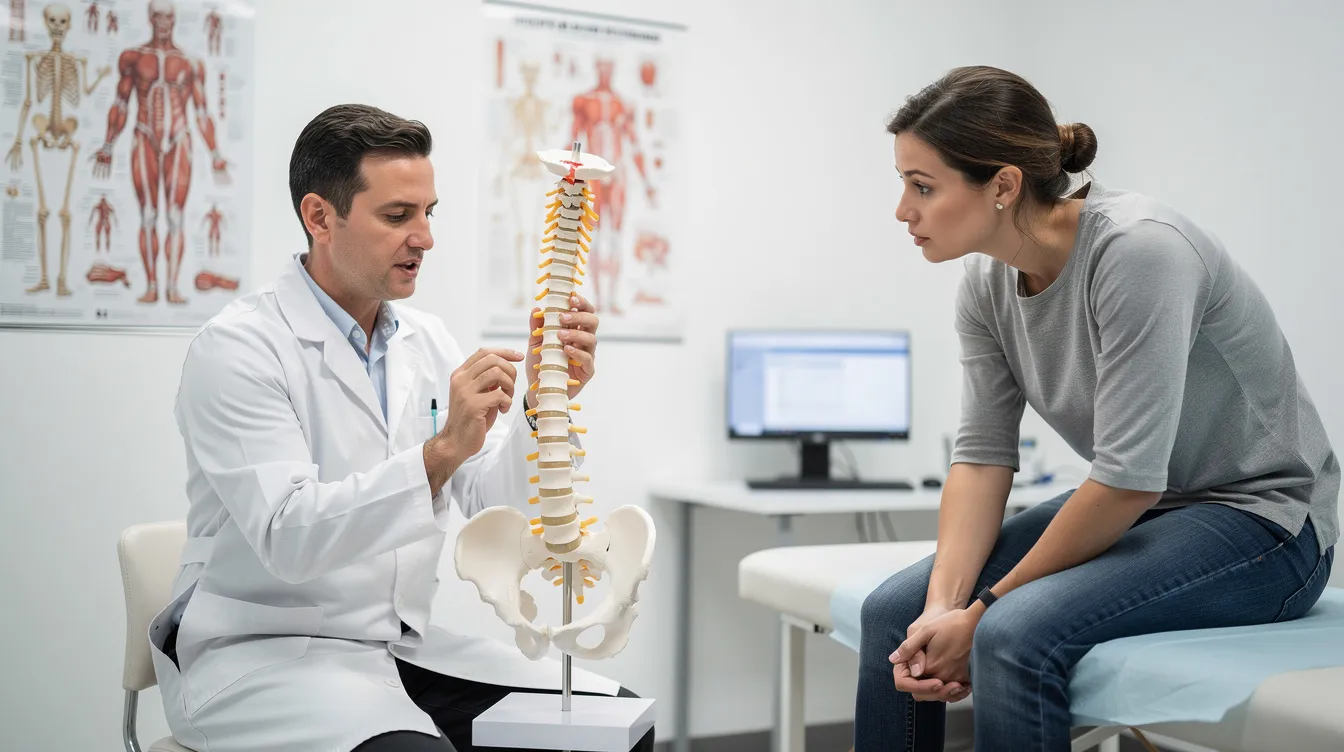
Epidural steroid injections are used to treat a range of spine and nerve conditions where inflammation around a pinched nerve or irritated nerve root is causing pain. These injections are often recommended when pain radiates from the spine—for example, sciatica sending leg pain from the low back down to the foot, or neck pain radiating into the shoulder and arm pain.
Common conditions treated include:
- Lumbar disc herniation (slipped disc or bulging disk) with leg pain
- Cervical radiculopathy with arm pain, numbness, or tingling
- Spinal stenosis causing neurogenic claudication or nerve pain
- Degenerative disc disease with nerve root irritation
- Sciatica from a compressed nerve in the lumbar spine
- Post-surgical nerve inflammation
- Nerve root compression from bone spurs
- Postherpetic neuralgia
Not all back pain responds to epidurals. Sacroiliac joint pain, facet joint pain, or muscle-related pain may be better addressed with facet injections, trigger point injections, or other procedures offered at Alleviate Institute. Treatment recommendations always depend on an individual evaluation.
Who Is a Candidate for an Epidural Injection?
Epidural injections are usually considered when conservative treatments—rest, physical therapy, pain medication, oral medications, and activity modification—have not improved symptoms sufficiently.
Good candidates typically include patients who:
- Have significant back pain, neck pain, or radiating leg pain or arm pain lasting more than several weeks
- Show imaging findings (MRI or CT) confirming nerve root compression
- Experience symptoms that limit walking, standing, sleep, or work
- Have completed a physical exam and medical history review with a pain medicine specialist
Extra caution or alternative approaches may be needed for patients with:
- Active infection or uncontrolled diabetes (corticosteroids can elevate blood sugar levels temporarily)
- Bleeding disorders or use of certain blood thinners
- Severe allergic reaction history to contrast dye or steroid medication
- Pregnancy (because fluoroscopy uses x-ray guidance)
- Heart disease or other medical conditions requiring careful coordination
Epidural steroid injections can be administered up to six times yearly, though most patients receive a limited series—often up to three injections in a 6–12 month period. Patients considering epidural injections should discuss potential benefits and risks with their clinician before proceeding.
Types of Epidural Steroid Injections and Injection Approaches
“Epidural steroid injection” is an umbrella term. The specific technique depends on your anatomy, the location of your pain, and where the doctor needs to deliver the medication.
- Interlaminar epidural injection: The epidural needle enters between the laminae (back of the vertebrae), and medication spreads behind the spinal cord. Often chosen for central stenosis or multilevel pathology.
- Transforaminal epidural steroid injection: The needle is guided through the neural foramen to reach a specific nerve root. More targeted—registry data show roughly 57% of patients achieved at least 50% leg pain reduction with this approach. Ideal for focal radiculopathy.
- Caudal epidural injection: Medication is delivered through the tailbone region, useful when prior spinal surgery or scarring changes the anatomy.
- Cervical epidural injection: Targets the cervical spine for neck pain and arm pain from a pinched nerve or herniated disc.
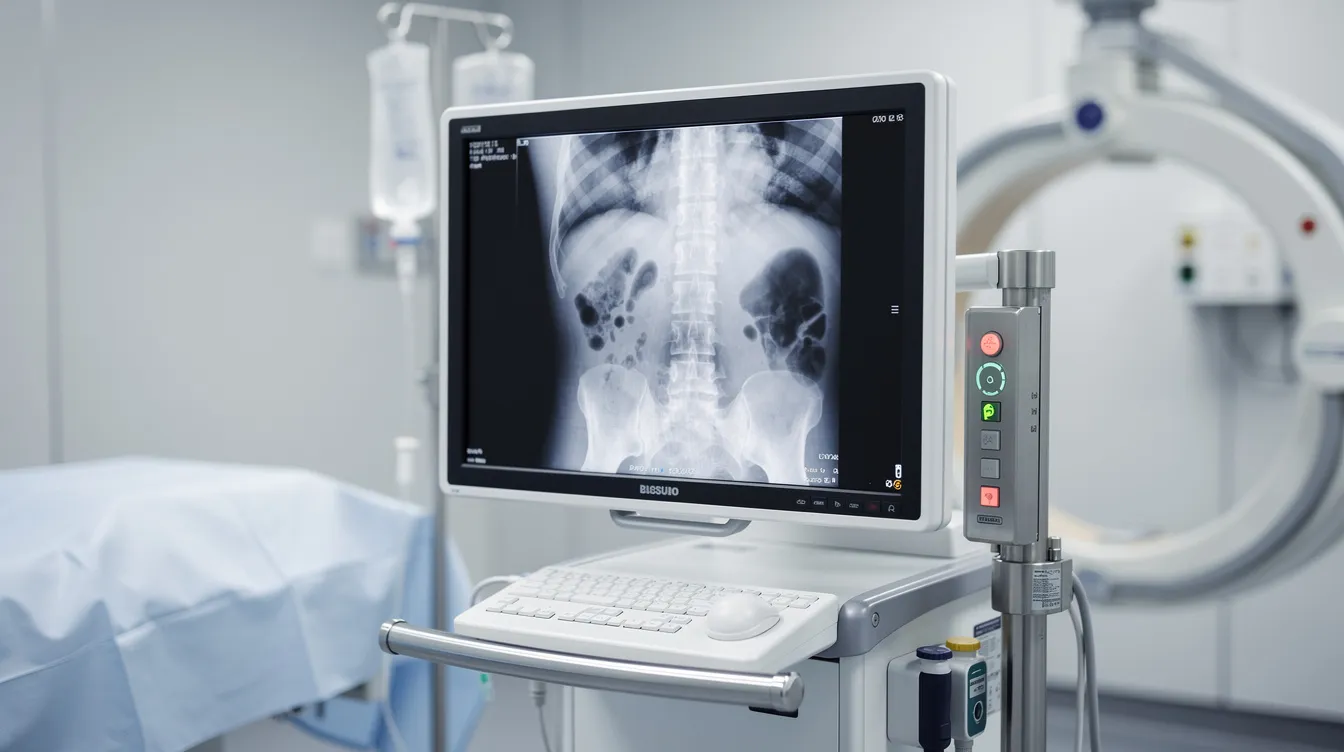
All epidural steroid injections at Alleviate Institute use fluoroscopy (live x-ray machine imaging) and contrast dye to confirm accurate, safe needle placement before any steroid is injected.
What to Expect During the Epidural Injection Procedure
At our Los Angeles or West Los Angeles office, the process begins with check-in, a review of your medications and medical history, and a brief discussion with Dr. Roshan. You will receive specific instructions about what to eat and which medications to adjust beforehand.
You will typically lie face down on a padded table. The skin over the injection site is cleaned with antiseptic, and a local anesthetic is used to numb the injection site so you feel minimal discomfort. Using fluoroscopy and contrast dye, Dr. Roshan guides the epidural needle precisely into the epidural space.
Most patients feel pressure, a sense of fullness, or a mild burning sensation as the medication is injected. You should not feel sharp pain—speak up immediately if anything feels severe. Patients may experience mild discomfort during the procedure, but it is generally well tolerated.
Epidural steroid injections last 15 to 45 minutes for the procedure itself, with total visit time around 45–60 minutes including preparation and a brief observation period. The procedure is performed on an outpatient basis, meaning you go home the same day.
Recovery, Results, and Follow-Up
Day of procedure: Mild soreness or a bruised feeling at the injection site is common and can be managed with ice and acetaminophen. Most patients can walk shortly after and should rest for the remainder of the day.
First week: Your usual pain can sometimes flare temporarily for one to three days as the numbing medicine wears off and the steroid has not yet taken full effect. Epidural steroid injections can cause temporary worsening of pain—this is normal. Steroids begin working in 3 to 10 days after injection. Most patients resume normal activities the next day unless told otherwise.
When to call the office: Contact Dr. Roshan’s team if you develop fever, severe headache, increasing weakness, loss of bladder or bowel control, or worsening of the following symptoms beyond a few days.
Pain relief from epidural steroid injections may last several months. For new disc herniations, relief can sometimes be long-lasting. For chronic pain or long-standing stenosis, long-term relief is less predictable. A follow-up appointment at Alleviate Institute allows Dr. Roshan to assess your response and update your pain management plan, which may include physical therapy, other treatments such as spinal cord stimulation, or additional injections.
Risks, Side Effects, and Safety of Epidural Injections
Common side effects include flushing (hot flashes), insomnia, and brief changes in mood or energy. These typically resolve within a few days.
Systemic steroid effects may matter for certain patients. Corticosteroids can elevate blood sugar levels temporarily—important for people managing diabetes. Slight fluid retention and rare elevation in blood pressure are possible. Repeated steroid injections may accelerate bone loss in osteoporosis patients, which is one reason injection frequency is limited.
Rare but serious risks include infection, bleeding or epidural hematoma, allergic reaction, nerve damage, and spinal headache from dural puncture. Complications from epidural injections can include infection and dural puncture, though image guidance and sterile technique make these uncommon.
Be sure to inform the team about blood thinners, immune-suppressing medication, prior spinal surgery, or pregnancy. Alleviate Institute follows evidence-based safety guidelines, uses fluoroscopy for all procedures, and limits injection frequency to protect your health. No medical procedure is entirely risk-free, and an individualized risk–benefit discussion takes place before any epidural injection is scheduled.
Frequently Asked Questions About Epidural Injections
Will the injection hurt? A local anesthetic numbs the skin first. You may feel pressure or mild discomfort, but most patients tolerate the procedure well and do not describe it as severely painful.
Can I drive after my epidural steroid injection? Plan to have someone drive you home. You may feel numbness or mild weakness in the lower body for a few hours. Driving is typically fine the following day.
How many epidural steroid injections can I have per year? Epidural steroid injections can be administered up to six times yearly, though your doctor may recommend fewer based on your response and overall health.
How soon will I feel pain relief? The local anesthetic may alleviate pain within a few hours, but the steroid usually takes 3 to 10 days to provide pain relief. Full benefit is often felt within two weeks.
Do epidural steroid injections work for everyone? ESIs are effective in at least half of the patients treated, but response varies by condition. They are one part of a comprehensive pain management strategy and do not replace physical therapy or other treatments.
Will an epidural injection let me avoid spinal surgery? In many cases, epidural injections can manage pain well enough to delay or avoid surgery. However, some conditions ultimately require surgical intervention.
What about returning to work? For desk jobs, many patients return within one to two days. Heavier physical work may require temporary activity changes per your doctor’s guidance.
Does insurance cover epidural injections? Many insurers cover medically necessary epidural injections when ordered by a pain management specialist, supported by imaging, and after documented conservative care. Contact our office for details.

Why Choose Alleviate Institute of Spine & Pain in Los Angeles?
Alleviate Institute of Spine & Pain, led by Dr. Daniel Roshan, is a dedicated interventional pain medicine practice focused on minimally invasive spine care for chronic back pain, neck pain, and nerve pain. Beyond epidural steroid injections, the practice offers facet injections, rhizotomies, Intracept basivertebral nerve ablation, kyphoplasty, platelet-rich plasma (PRP) and stem cell injections, spinal cord stimulators, and the MILD procedure.
Every patient receives a comprehensive evaluation—including review of prior imaging, a detailed physical exam, and a customized treatment plan that integrates spinal injections with physical therapy, home exercise, and lifestyle modifications. With two convenient office locations in Los Angeles (Pico Blvd and Wilshire Blvd in West Los Angeles), procedures are performed on an outpatient basis with image-guided care designed to minimize downtime.